

After almost a year of closure due to COVID-19, the majestic Mount Ijen has finally reopened to the public. Mount Ijen, located in Indonesia, is renowned worldwide for its rare phenomenon – the Blue Fire, which is almost always present. The striking vision of this seemingly giant stove appears like a scene straight out of a fairy tale.
What makes the Blue Fire so rare? It's because there are only two such occurrences in the world – one in Banyuwangi, Indonesia, and the other in the Nordic region of Iceland. However, the Indonesian Blue Fire is far more popular as the one in Iceland is unpredictable in its appearance.

In reality, the Blue Fire is not a fire but a reaction between sulfur gas and oxygen. When the gas combusts, the mesmerizing Blue Fire is created, dancing before the eyes of visiting tourists.
Another natural treasure found in Mount Ijen is the world's largest acidic lake. The Ijen Crater Lake, with its blue-green hue, measures approximately 960 meters by 600 meters, with a depth of around 200 meters.
From the summit, one can enjoy the famous Sunrise of Java, complete with stunning views of the Bali Sea. The surrounding peaks of Ujung Raung, Suket, and Ranti are also clearly visible.
Sulfur mining is a livelihood for the local residents, so don't be surprised if you frequently encounter miners during your climb up Mount Ijen.

This article is packed with all the essential information you need before experiencing the breathtaking beauty of Mount Ijen firsthand. Immerse yourself in this one-of-a-kind adventure and witness the incredible natural wonders of this Indonesian gem.
Tips for Visiting Mount Ijen: What to Keep in Mind
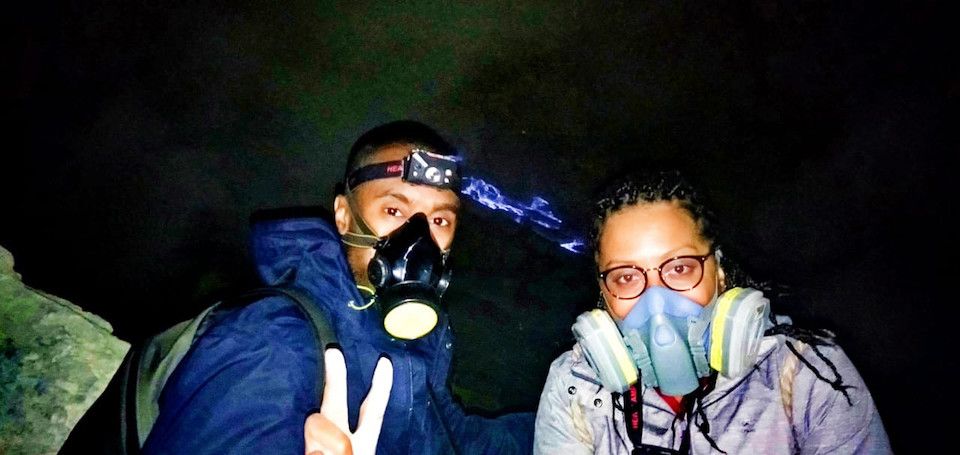
It's common for us to forget essential items when embarking on an adventure. From the basics to adequate gear, there are a few things you should consider before exploring Mount Ijen.
Preparation
- Mountain jacket or sweater: The temperature at Mount Ijen can drop to as low as 3 to 10 degrees Celsius, so make sure you dress warmly.
- Slip-resistant shoes or sandals: The terrain can be quite slippery, so wear appropriate footwear to ensure a safe climb.
- Gloves and a beanie: These not only keep you warm but also protect your hands when gripping sharp rocks. You can purchase them from local vendors at the Paltuding parking area.
- 3M mask: You never know when toxic gases from the Ijen Crater might appear, so it's a good idea to wear a 3M gas mask. You can buy one online or rent one from a tour guide service.
- Medications: This is crucial, especially if you have pre-existing conditions like asthma. Keep in mind that there are no pharmacies at the summit! Don't forget to bring eye drops, as they can be helpful if your eyes are irritated by smoke or dust during your climb.
- Headlamp: This allows for more freedom of movement during your adventure.
By keeping these tips in mind, you'll be well-prepared to experience the wonders of Mount Ijen safely and comfortably.
Transportation to Banyuwangi City

Before visiting Mount Ijen, you'll first need to travel to Banyuwangi. Here are some transportation options to reach Banyuwangi City:
BUS
If you're coming from Bali, choose a bus heading to Gilimanuk Port. From there, you can take a ferry crossing from Gilimanuk to Ketapang Port. Once you arrive at Ketapang Port, you can order a Grab or an online taxi to reach Banyuwangi. However, be cautious when ordering online taxis near the port, as some locals might not be fond of this practice.
If you're coming from East or Central Java, choose a bus with the destination of Karangente Terminal, located in the city center. This option is more affordable and convenient. Bus fares typically range from IDR 100,000 to IDR 150,000.
TRAIN
There are two train stations in Banyuwangi: Banyuwangi Baru Station (near the port) and Banyuwangi Kota Station (in the city center), formerly known as Karangasem Station. So, don't be surprised if Google Maps calls it Karangasem Station, while the ticket booking app says Banyuwangi Kota. Be sure not to make a mistake!
Choose Banyuwangi Kota as your destination, as it's located in the city center, offering easier and cheaper access. You can also rent a motorcycle near Banyuwangi Kota Station for about IDR 75,000 to IDR 100,000 per day. To order an online taxi, simply walk a few meters away from the station.
If you're in the mood to relax, try visiting Palm Sugar Cafe near Banyuwangi Kota Station. I suggest you try their smoothies, salads, or other signature dishes. Once you're done, order an online taxi from the station to your accommodation.
FLIGHT
There is only one airport in Banyuwangi: Banyuwangi International Airport. There are no public transportation options available here, so make sure to inform your accommodation about your transportation needs in advance.
You can also contact Avrila Transport, a trusted transportation service provider, to help with your travel arrangements.
Recommended Accommodations
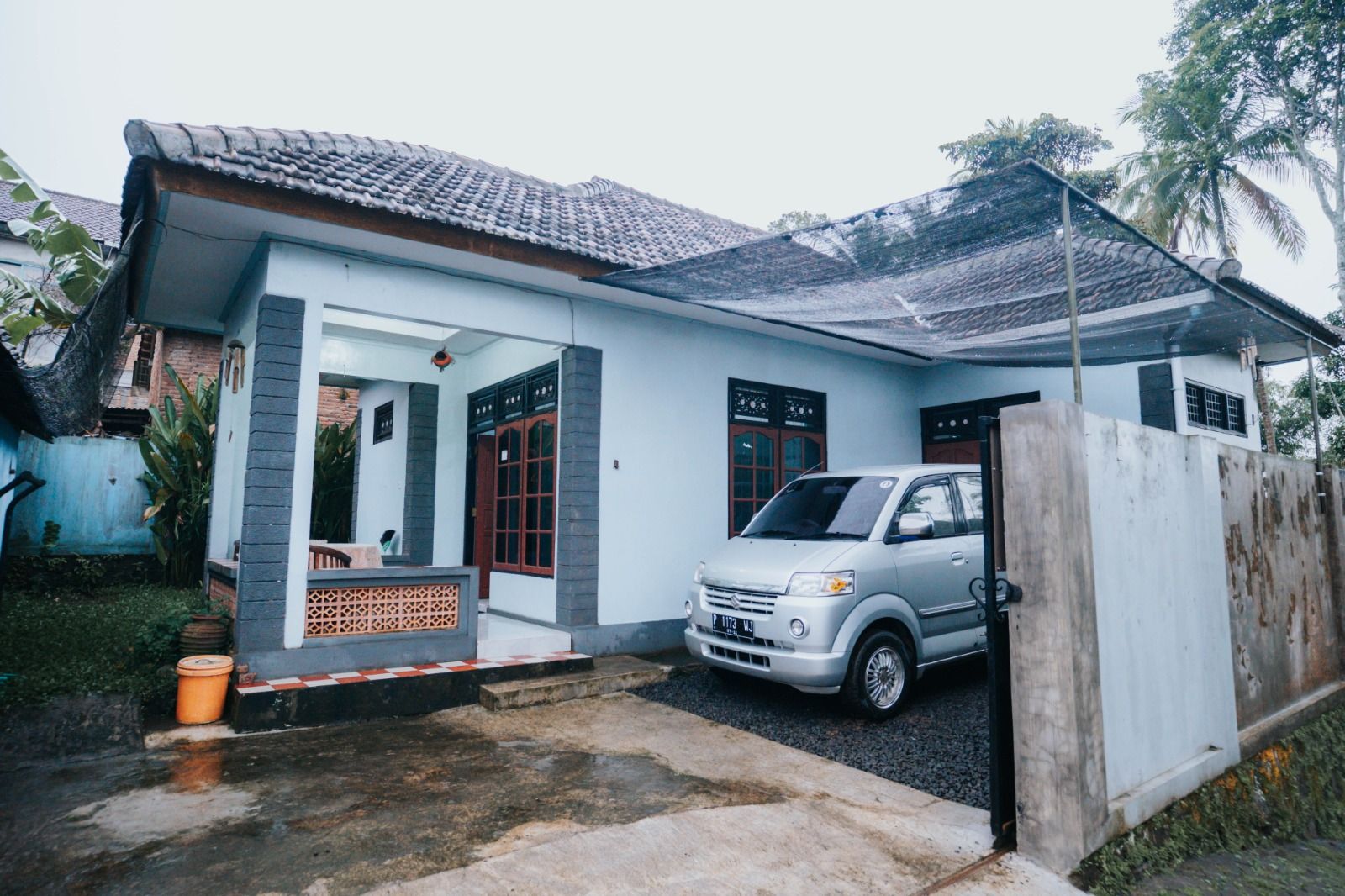
I suggest staying in the Licin District, as it is conveniently located between the city and Mount Ijen. It takes about 90 minutes to travel from the city to Mount Ijen, while from Licin, it only takes 30-45 minutes. This location allows you to relax and save time.
Licin is situated at an elevation of 500+ meters above sea level, offering a cool and lush environment. There are numerous accommodations available, such as villas, hotels, and homestays like Grand Harvest, Joglo Ijen, Ijen Resort, and Micasa guest house.
The surrounding area boasts attractive scenery, including coffee and rubber plantations, as well as pine forests. There are also waterfalls and natural spring baths. This place is a favorite among tourists, as it resembles the charm of old Ubud.
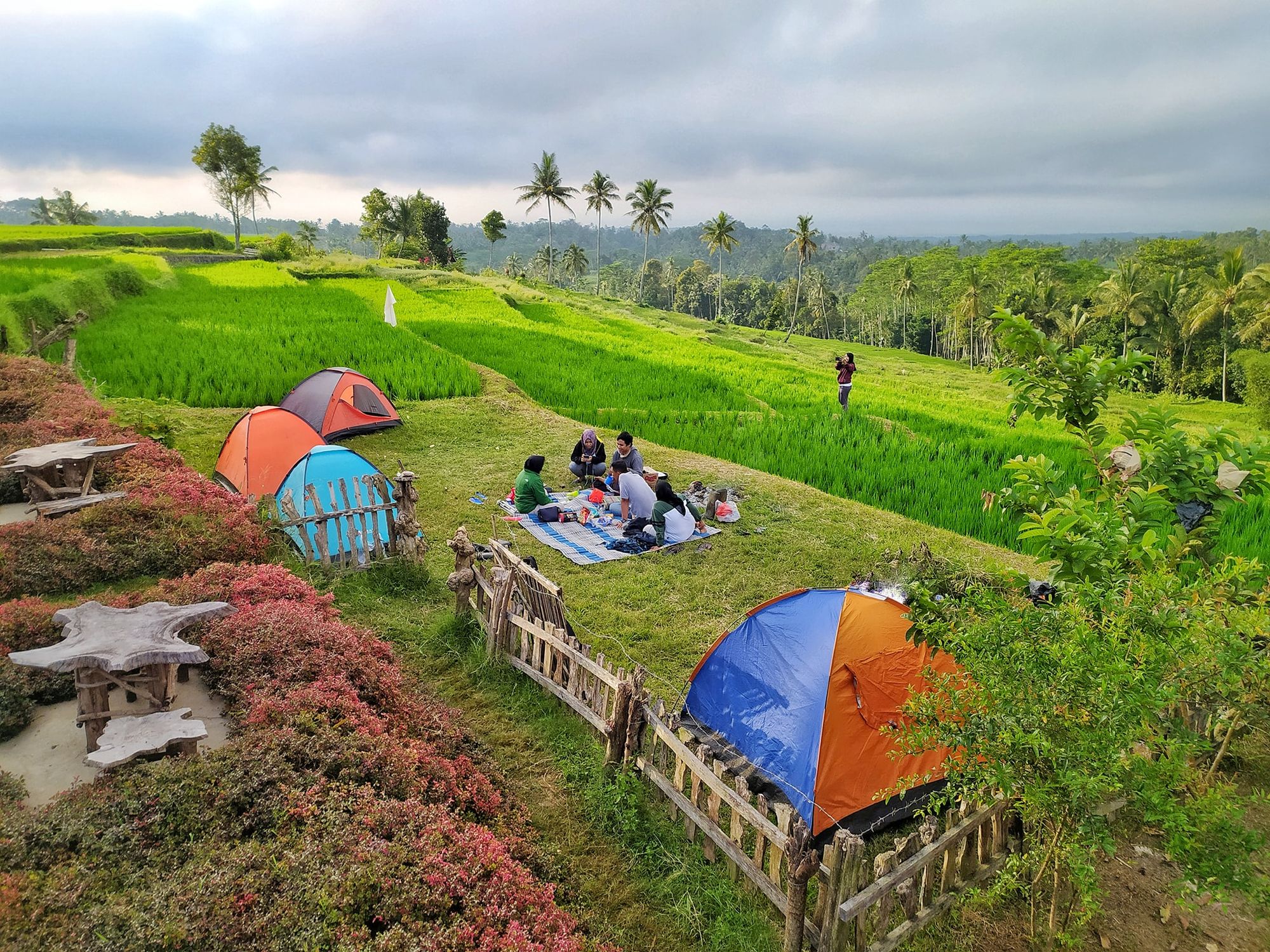
If you want to experience a village atmosphere, consider staying in Banjar Village. This area offers a cool environment with stunning views of terraced rice fields, Mount Ijen, and Mount Ranti. You can also participate in local activities, such as making brown sugar, Banjarwangi batik, cooking Sego Lemang, or even playing traditional music with the villagers.
Two popular homestays listed on Airbnb, Agus Hidden Homestay and Pak Badi Homestay, are great options for a place to rest. For more information about these accommodations, please contact Mas Agus, a resident of Banjar Village in Banyuwangi. Booking directly is often more affordable.
Transportation to Mount Ijen

For those who are still confused about transportation to Mount Ijen, here is some information to help you choose an option that fits your budget:
TROOPER (SUV)
This is a popular option among tourists as it is easy to navigate the uphill road to Mount Ijen. Troopers provide a unique and adventurous experience. You can rent a trooper and driver through Yukbanyuwangi or Agus Avrila for approximately Rp 500,000 - Rp 600,000.
MOTORCYCLE
Motorcycles are commonly used by solo travelers to save on travel costs. You can contact Mas Rahmat, who owns a motorbike rental shop near Banyuwangi Kota Station. However, be careful when using a matic motorcycle, as they are prone to brake failure when going downhill to Mount Ijen.
CAR (MPV)
You can also rent an MPV car with a driver for a cost of Rp 500,000 - Rp 650,000 per day, depending on the type of car. The car you rent can pick you up and drop you off at the terminal.
OPEN TRIP OR SHARING TOUR
Joining a sharing tour can be a good option if you want to find travel companions. Open trip or sharing tour providers will pick you up from your accommodation, provide a tour guide for Mount Ijen, and basic equipment such as masks and flashlights. They will also drop you back off at your accommodation.
Their services cost between Rp 150,000 to Rp 300,000.
Unfortunately, not many providers have adequate health standards at this time. However, you can try contacting Mas Fiqi, the owner of @opentripijen and @discoverbanyuwangi.
MOTORCYCLE TAXI (OJEK)
In addition to being relatively safe, using a motorcycle taxi can be an option to save on budget. For approximately Rp 150,000 - Rp 200,000, you can get round-trip transportation to Mount Ijen.
If you're interested, you can contact Pak Hamid, who offers motorcycle taxi services as well as private tour guide services for only Rp 350,000.
Ticket Price & Operating Hours
The ticket price for Kawah Ijen is different between weekdays and weekends, as well as for domestic and international visitors.
The management of Kawah Ijen also imposes a daily visitor quota and requires visitors to purchase tickets online.
Domestic Ticket: Weekdays Rp5,000, Weekends Rp7,500
International Ticket: Weekdays Rp100,000, Weekends Rp150,000 Operating Hours: Every day, starting from 03.00 until the designated closing time.
Note: For photography purposes, visitors are required to pay Rp250,000. Bringing a handycam/drone requires a fee of Rp1,000,000. For commercial shooting or video purposes, visitors are required to pay Rp10,000,000.
Kawah Ijen is closed on the first week of every month for Ijen Rijik or Ijen Cleanliness, a regular agenda to clean up the area from waste. Make sure to always update the information from the official account of Kawah Ijen on Instagram.
Facilities at Kawah Ijen

The facilities at Kawah Ijen are quite complete, as this area is crowded with visitors almost every night.
Toilet Toilet facilities
are available at Kawah Ijen, although the number of facilities is quite limited and sometimes not enough to accommodate the number of visitors.
Food Stalls
There are food stalls located at the Paltuding post of Kawah Ijen. Small food stalls can also be found at each of the climbing posts. You can stop for a moment to warm up by buying snacks, coffee, or tea.
Parking Location
The parking location is quite spacious. The parking fee for two-wheeled vehicles is Rp5,000 and Rp10,000 for four-wheeled vehicles.
Camping Ground
You only need to pay Rp5,000 for the camping ground area at Kawah Ijen. There is a tent rental service, but there is a possibility that all tents have been rented out due to limited availability. It's better to bring your own camping equipment!
Kawah Ijen Taxi
Although it's called a "taxi," it's actually a modified cart to make it safe and comfortable. It takes the power of 2-3 people to push and pull it, and this taxi will lighten your hike to the peak of Kawah Ijen. The taxi price ranges from Rp400,000 to Rp600,000. You can contact the Kawah Ijen Taxi service provider. Renting Climbing Equipment You can buy climbing equipment such as gas masks, flashlights, kupluk hats, and gloves at the Paltuding area.
The best time to visit Kawah Ijen is from April to October. Why?
Because during this time, the position of the sun's rotation is right next to Bali island, so the sunrise from the sea can be seen clearly. It's beautiful. Rainfall is also lower compared to other months, making your journey feel easier.
Check the weather before planning your trip to Kawah Ijen. Avoid weekends if you don't like crowded places, plus you can get cheaper tickets.