“It’s not a festival in one place. It’s the whole region breathing together.”
What is Banyuwangi Festival 2025?
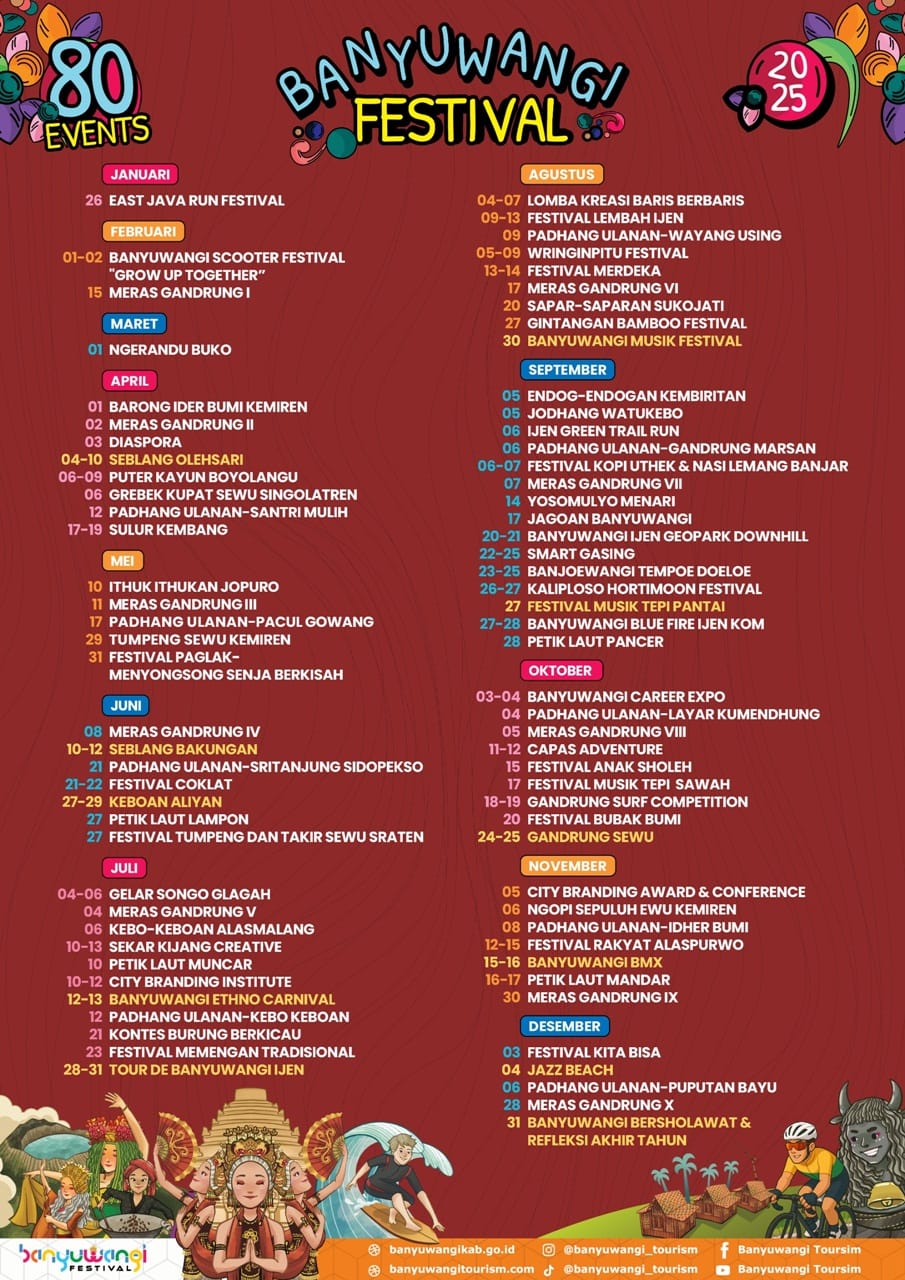
The Banyuwangi Festival 2025 (B-Fest) is not a single event but a year-long cultural calendar with more than 80 celebrations across East Java’s easternmost regency. From traditional rituals to international sports, B-Fest showcases the living heritage of Banyuwangi month after month.
🌱 January–March: Beginnings
The year starts with movement. In January, the East Java Run Festival sends runners through Banyuwangi’s streets, the air fresh after the rains. February brings contrast: the Banyuwangi Scooter Festival, roaring with chrome, and Meras Gandrung I, a graceful dance ritual honoring tradition. March closes more quietly with Ngerandu Buko, a community rite of renewal.
🌸 April–June: Ritual and Growth
April is dense with ritual: the Barong Ider Bumi Kemiren, a centuries-old parade; Meras Gandrung II, filling the streets with dancers; and Grebeg Kupat Sewu Singolatren, where thousands of rice cakes are shared.
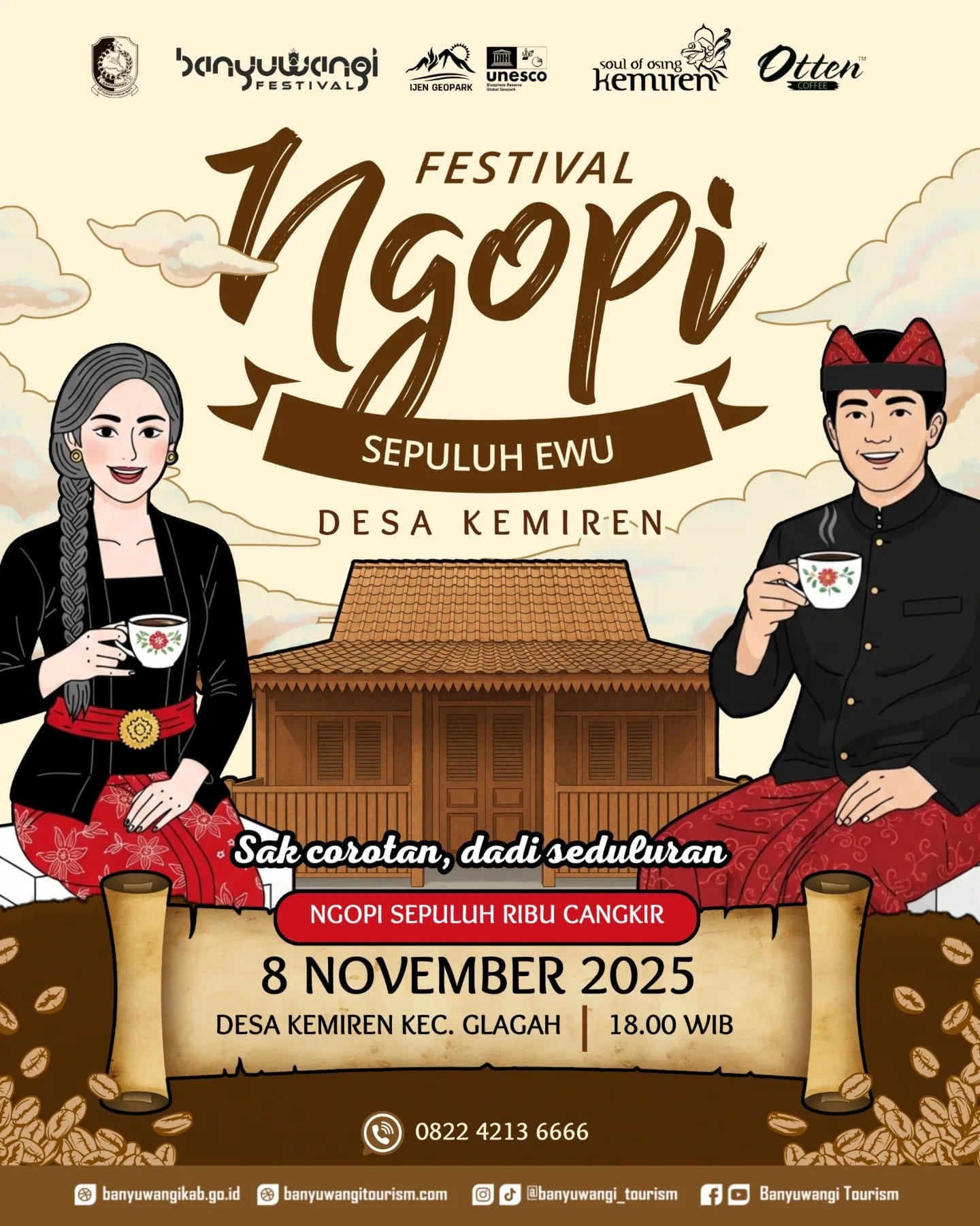
By May and June, food and farming take the stage: Ithuk Ithukan Jopuro, Tumpeng Sewu Kemiren, and Festival Tumpeng dan Takir Sewu Sraten, when villages cook together, laughter spilling into the streets. June also showcases creativity—Festival Coklat (chocolate) and Petik Laut Lampon, a fishermen’s sea-harvest thanksgiving.
☀️ July: Full Colour
July is peak season. The Banyuwangi Ethno Carnival dazzles with costumes blending tradition and avant-garde. Villages host Kebo-Keboan Alasmalang (farmers covered in mud to ward off pests) and Festival Memengan Tradisional, reviving children’s games. Along the coast, cyclists test their limits in the Tour de Banyuwangi Ijen, climbing volcanic roads against sulfur-scented air.
🎆 August: The Celebratory Heart
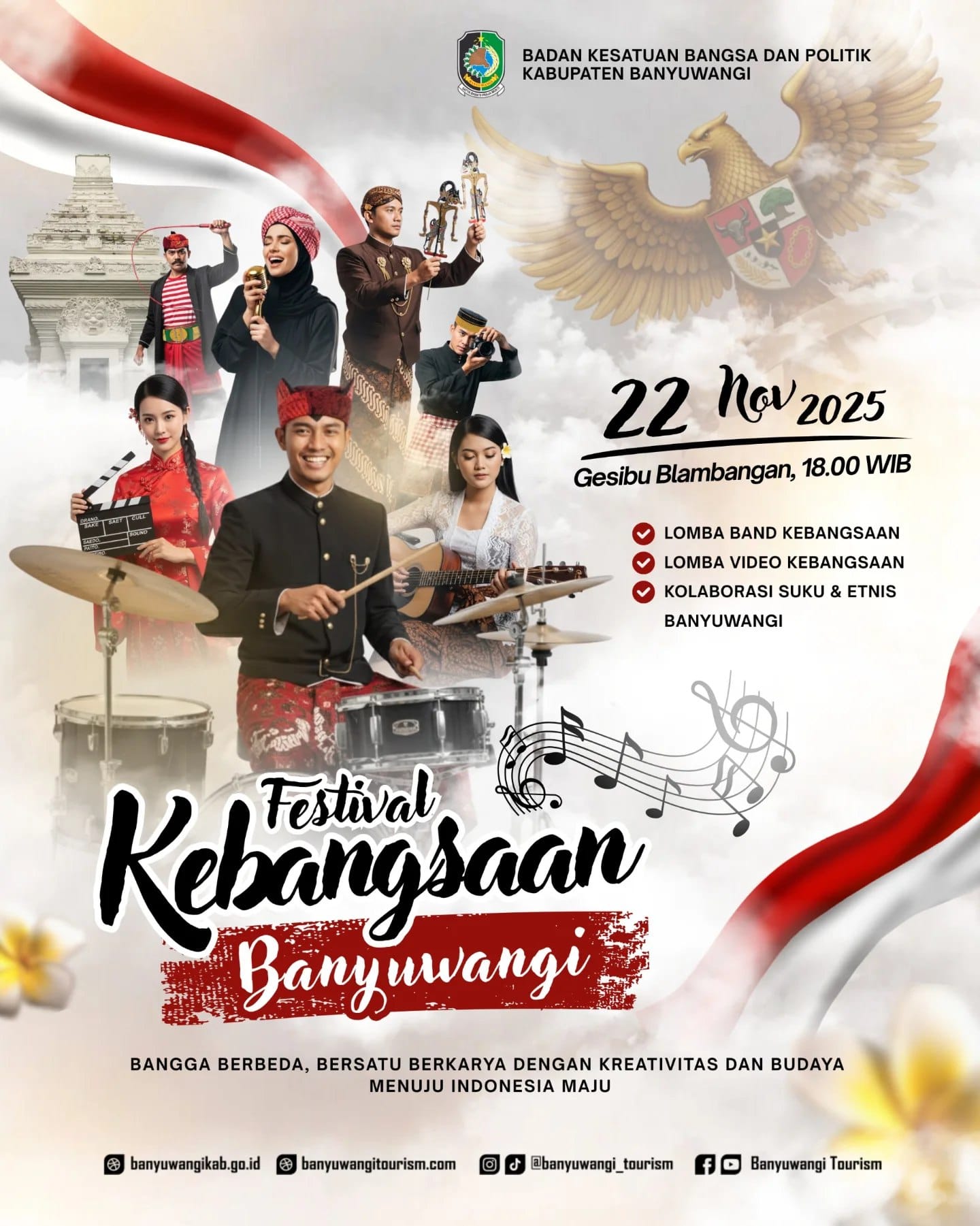
August is the heartbeat of B-Fest—patriotic celebrations, bamboo installations glowing at night, and weekly gatherings. From the Wringinpitu Festival to Festival Merdeka and the Gintangan Bamboo Festival, streets fill with flags, food stalls, and music.
🍂 September–October: Play and Performance
September leans playful: Smart Gasing (spinning tops), Festival Musik Tepi Pantai with bamboo instruments, and downhill racing at Ijen Geopark. Rituals continue with Padhaang Ulanan–Gandrung Marsan, while evenings soften with concerts.
By October, youth and surf take the stage: Capas Adventure mixes outdoor challenges with community spirit, and the Gandrung Surf Competition marries modern sport with tradition. Then the colossal arrives: Gandrung Sewu (24–25 Oct), where thousands of dancers move as one along the beach—a spectacle both intimate and overwhelming.
🍃 November–December: Reflections
The year winds down with reflection. November brings Festival Rakyat Alas Purwo, small-scale rituals under ancient forests, alongside the energy of Banyuwangi BMX. December closes with sea breezes and music: Jazz Beach, Meras Gandrung X, and finally Banyuwangi Bersholawat & Refleksi Akhir Tahun. The year ends as it began: voices raised together, blending past and present.
🧭 If You Go
- Stay: Guesthouses and homestays offer authentic village life.
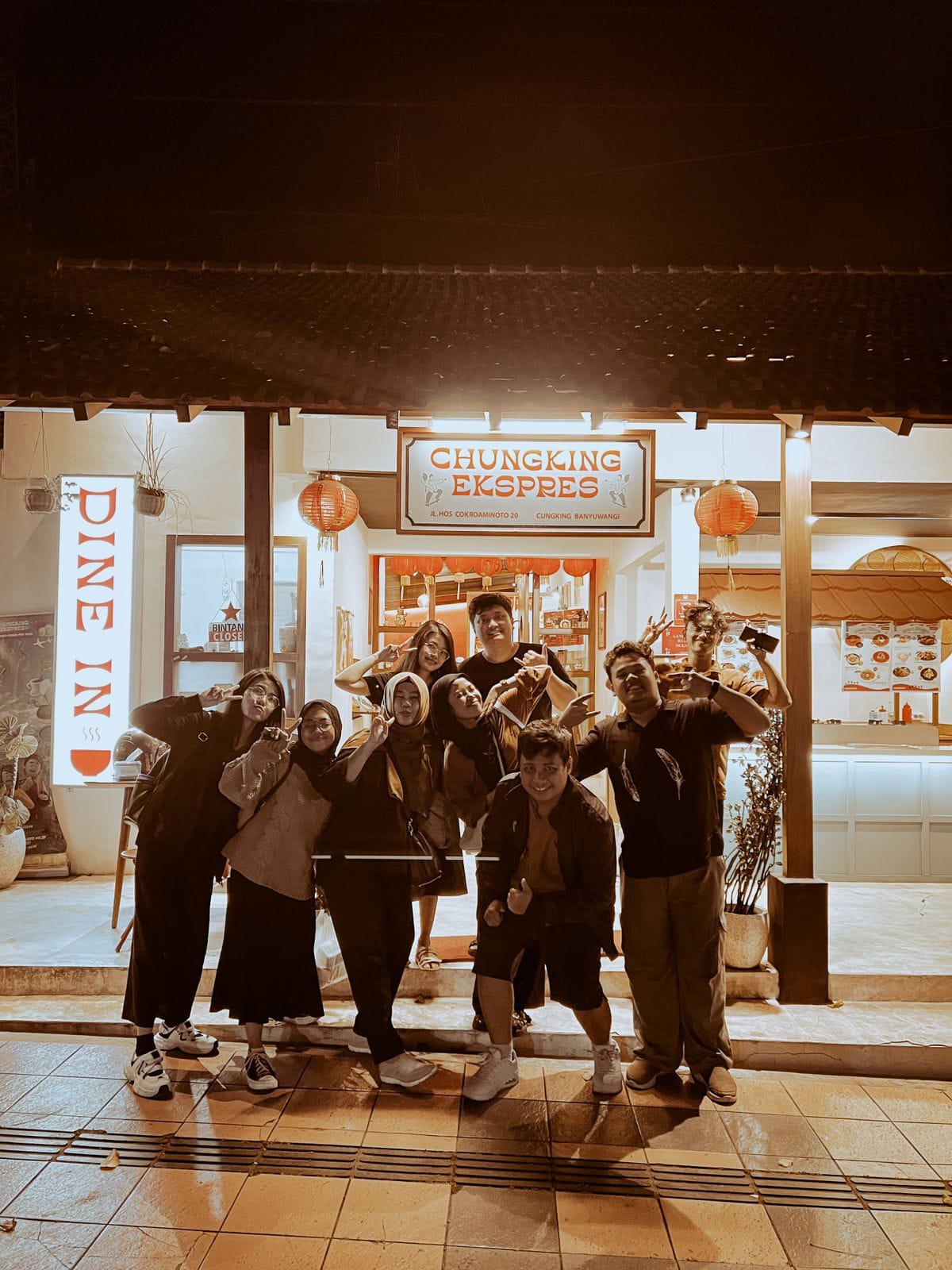
- Eat: Don’t miss sego tempong (spicy rice dish), pecel pitik (chicken with coconut), and Ijen coffee.
- Travel: Rent a scooter for short trips; hire a driver for mountain routes.
- Ask locals: They’ll point you toward the most meaningful festivals.
🌏 Why It Matters
B-Fest isn’t just a spectacle—it’s a lens into Banyuwangi. Come in February, and you’ll ride beside scooter enthusiasts. Arrive in July, and you’ll see a carnival where costumes become philosophy. Visit in December, and you’ll sit under the stars as prayers turn to song.
Every month, the festival folds visitors into Banyuwangi’s rhythm. It’s not a show—it’s a way of life stretched across the year.