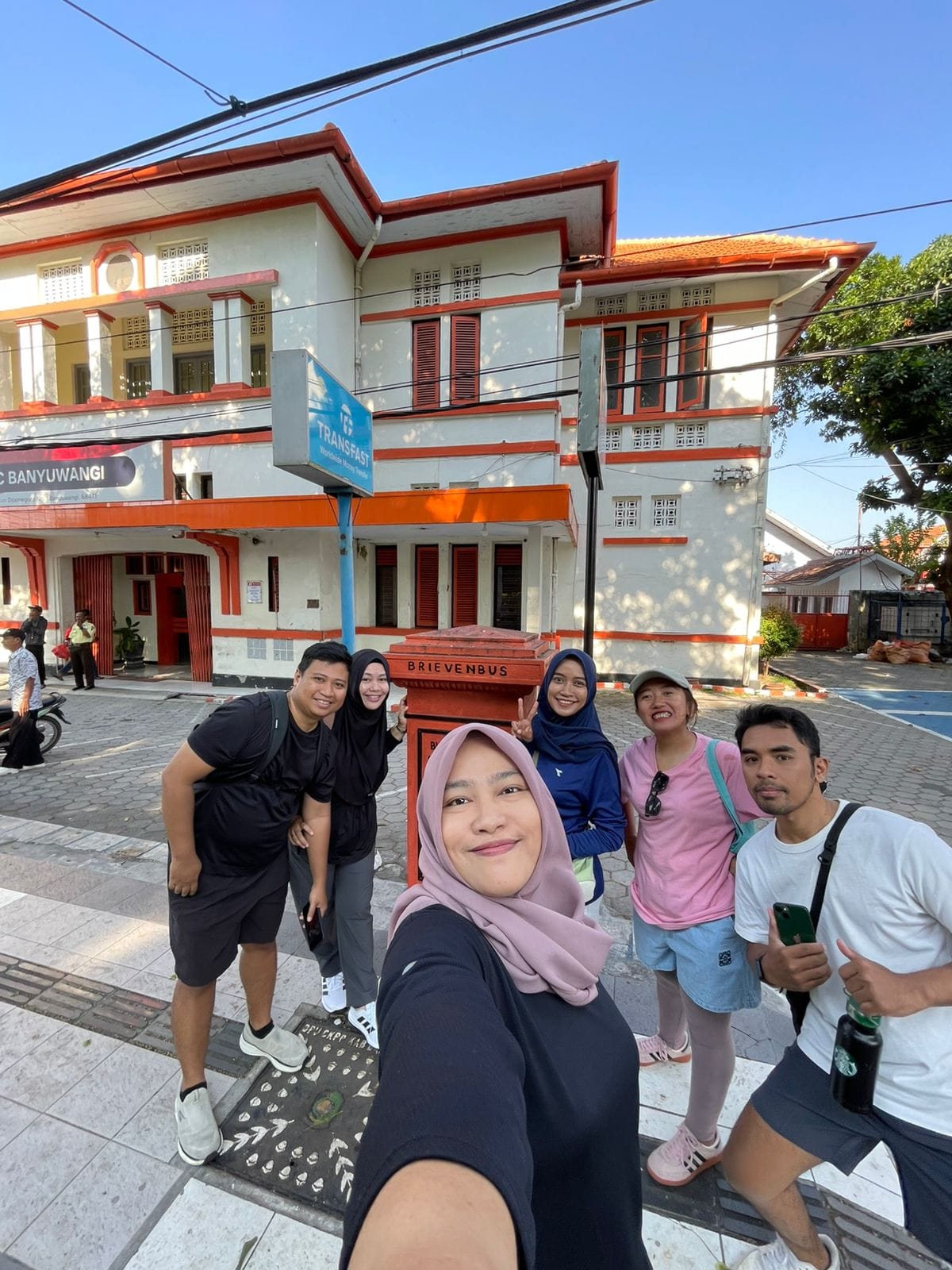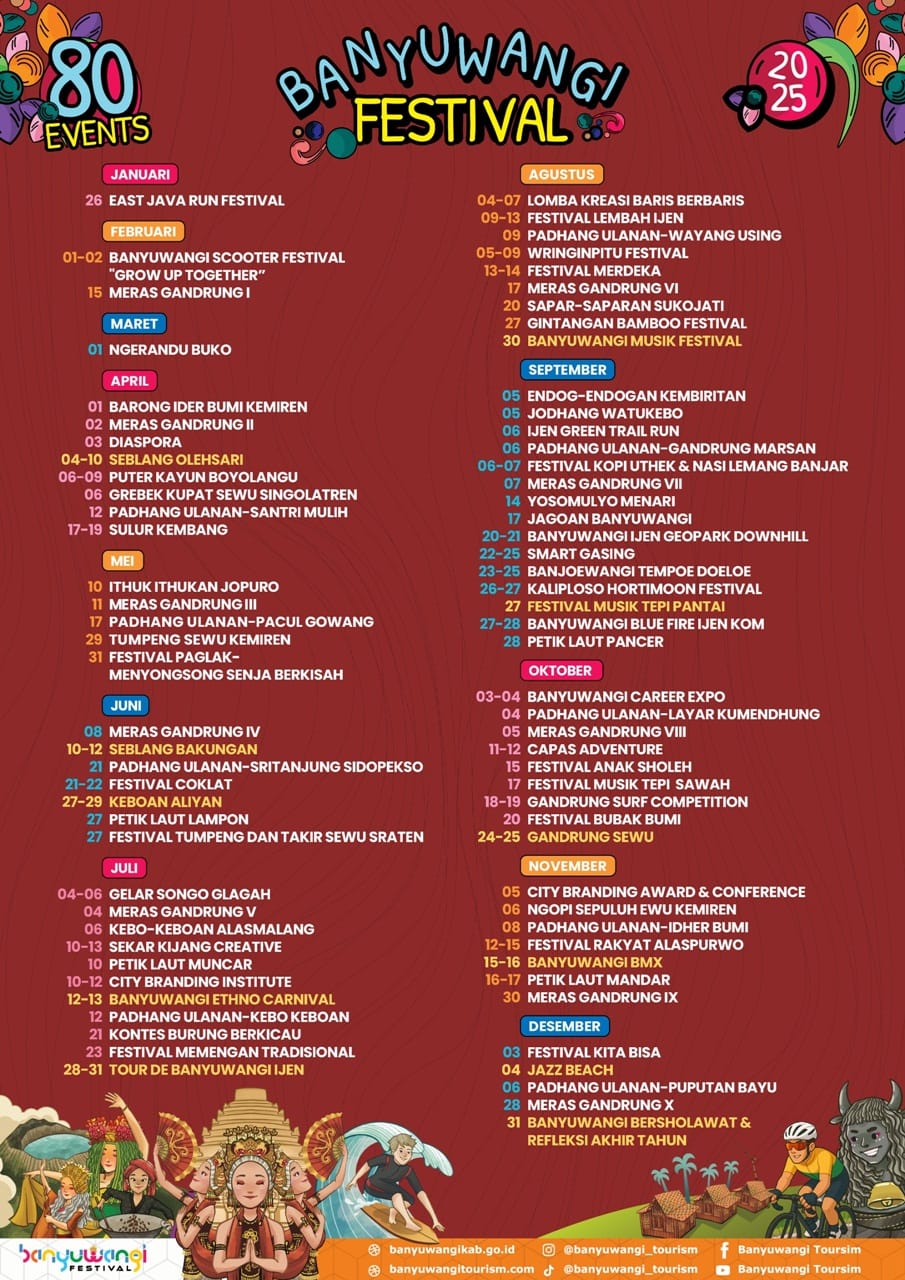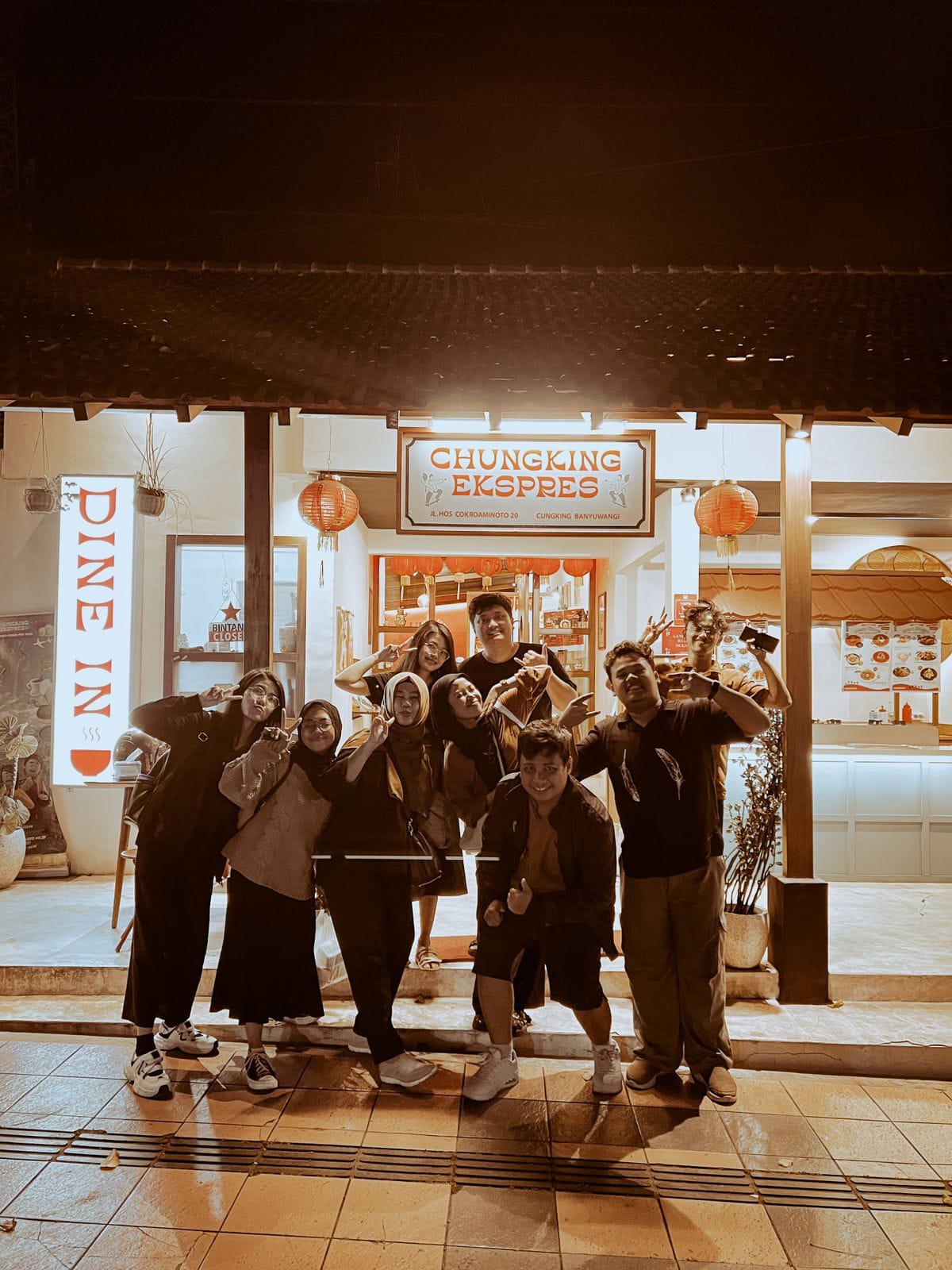


Indonesia's hidden gem Banyuwangi is located in the easternmost part of Java Island. Although it is often overlooked by travelers, it offers an array of natural wonders, unique cultures, and fascinating history that make it a perfect destination for adventurous travelers seeking something new and exciting.
The Natural Wonders of Banyuwangi
Banyuwangi boasts numerous natural attractions, including beaches, waterfalls, and volcanoes.
Among these, the Ijen Crater is a highly popular destination. The crater, located at the top of the Ijen volcano, features a turquoise lake and an amazing view of the blue flame phenomenon.

Visitors can hike to the top of the volcano for an unforgettable experience.

There is also the Baluran National Park, which has savannas that resemble the African Serengeti and wildlife like buffalos, deer, and exotic birds.

Banyuwangi also has several beaches that are perfect for swimming, sunbathing, or watching the sunset. Pulau Merah Beach has stunning red sand and offers a panoramic view of the Indian Ocean. G-Land Beach, on the other hand, is a surfer's paradise with some of the best waves in the world.

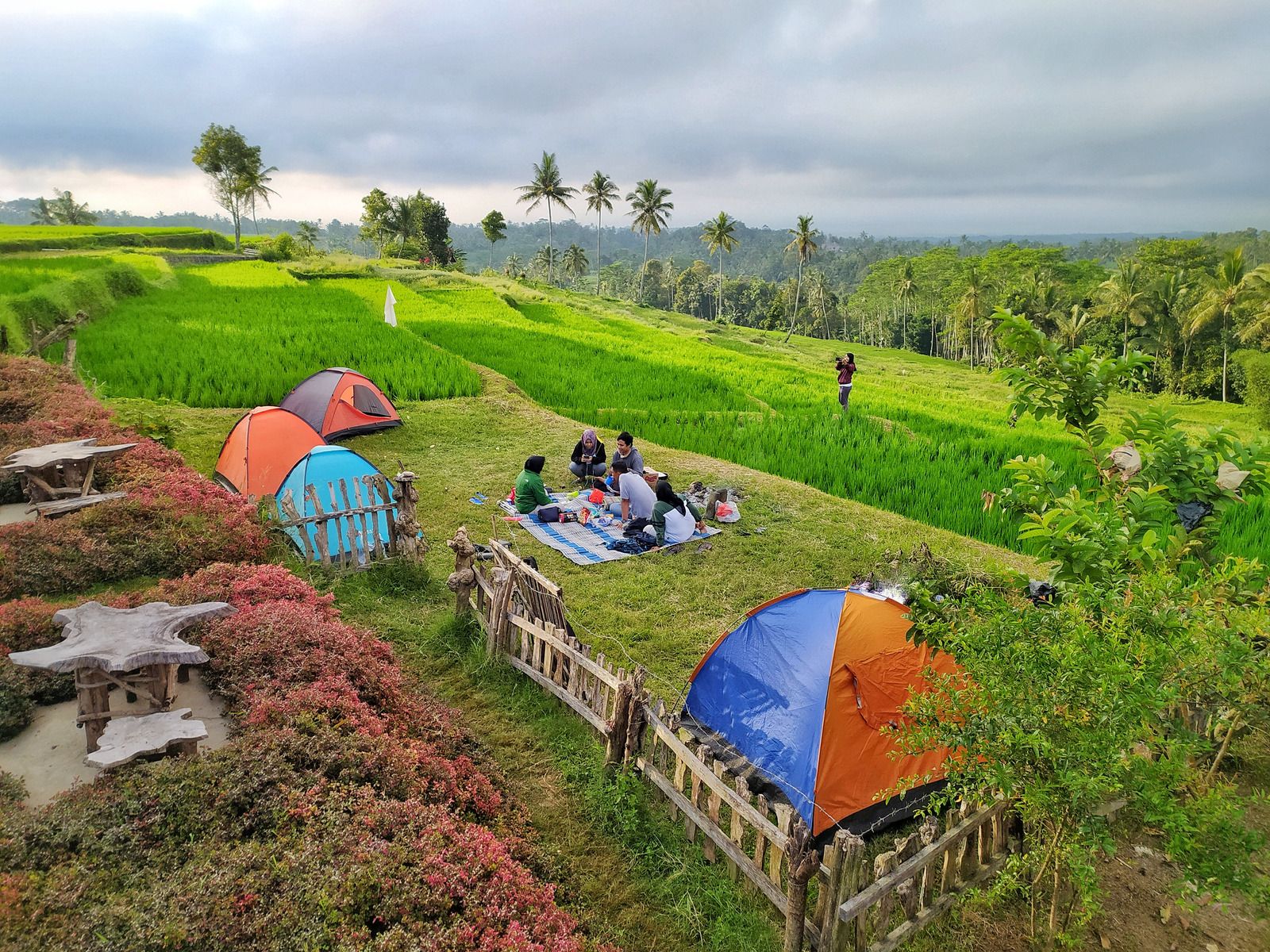
For nature and adventure enthusiasts, Banyuwangi offers a variety of outdoor activities such as cycling, trekking, camping, and bird watching.
If you are interested in a cycling tour, you can check out Ijen Cycling Adventure, they offer cycling treks from unbeaten paths to fun ride. https://www.instagram.com/ijencycling/
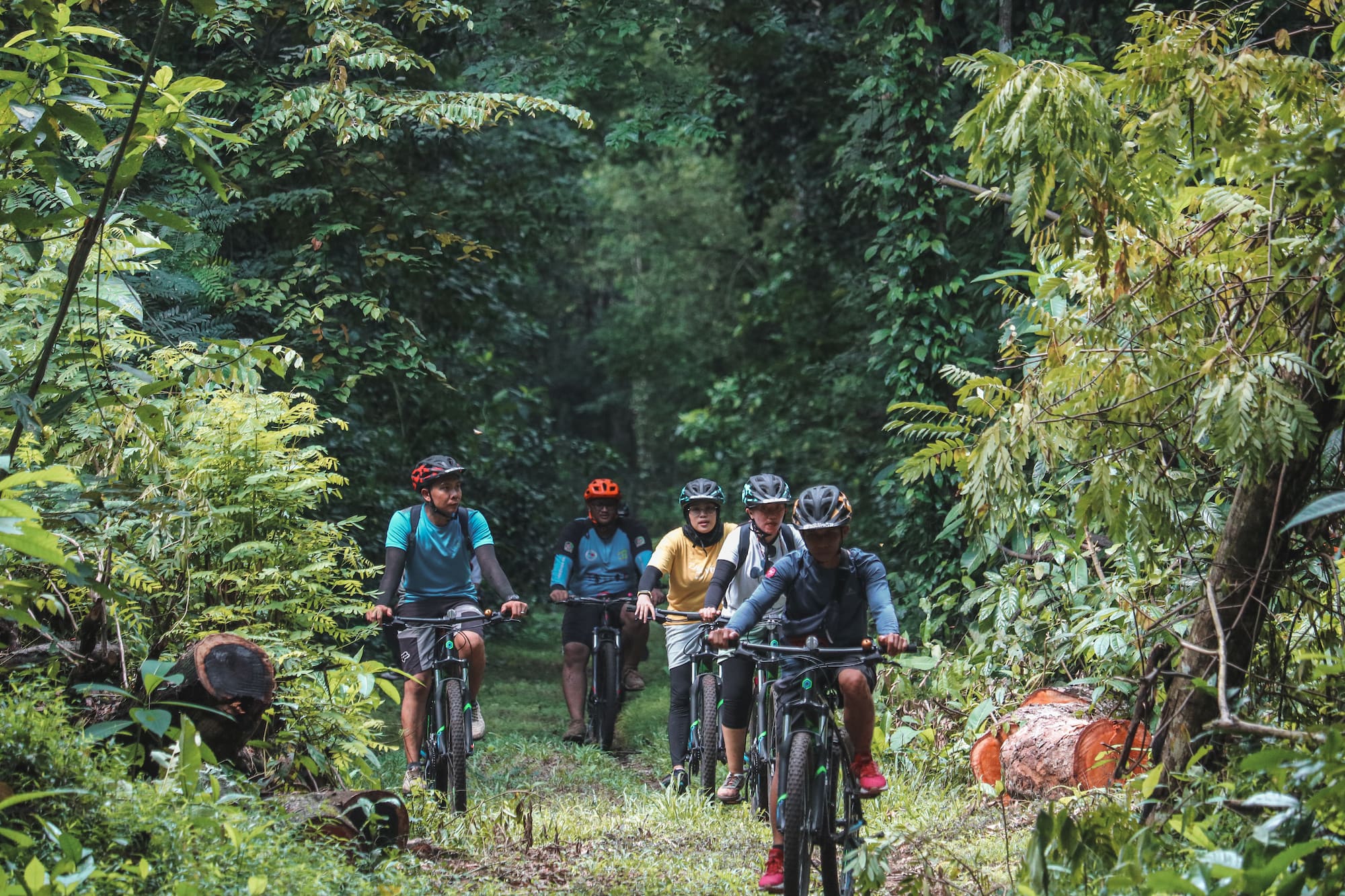
Kawah Wurung trek, for instance, is a challenging hike that takes you through lush rainforests and rugged terrain to reach the top of Kawah Wurung, an active volcano with amazing views of the surrounding landscape.

The Unique Cultures of Banyuwangi
Banyuwangi is a place where people of different ethnic groups live together. Some of these groups have their own unique culture and traditions that are reflected in their art, music, dance, and food.
Osing people from Banyuwangi, for instance, perform a traditional performance called the Patrol. Patrol is one of the unique music genres of Banyuwangi that still lives on and develops to this day. It is a type of folk music that is rhythmic in nature and doesn't require diatonic instruments. All the instruments used in this music are made of bamboo, including the katir, gong, kempul, angklung renteng, kethuk, kendang, and seruling.
Banyuwangi's culinary heritage is also worth exploring, with must-try dishes such as Nasi Tempong, spicy rice served with fried chicken and chili sauce, and Soto Banyuwangi, a savory soup made with beef, tamarind, and coconut milk.
On top of its breathaking sceneries, Banyuwangi's uncanny delicacies are true satisfaction. Pic: Sego Tempong Mbok Wah, Rujak Soto, Ayam Betutu Mbak Timah, Rawon Bu Atik pic.twitter.com/RvEL2tpYiD
— Gandrasta Bangko (@gandrasta) April 1, 2019
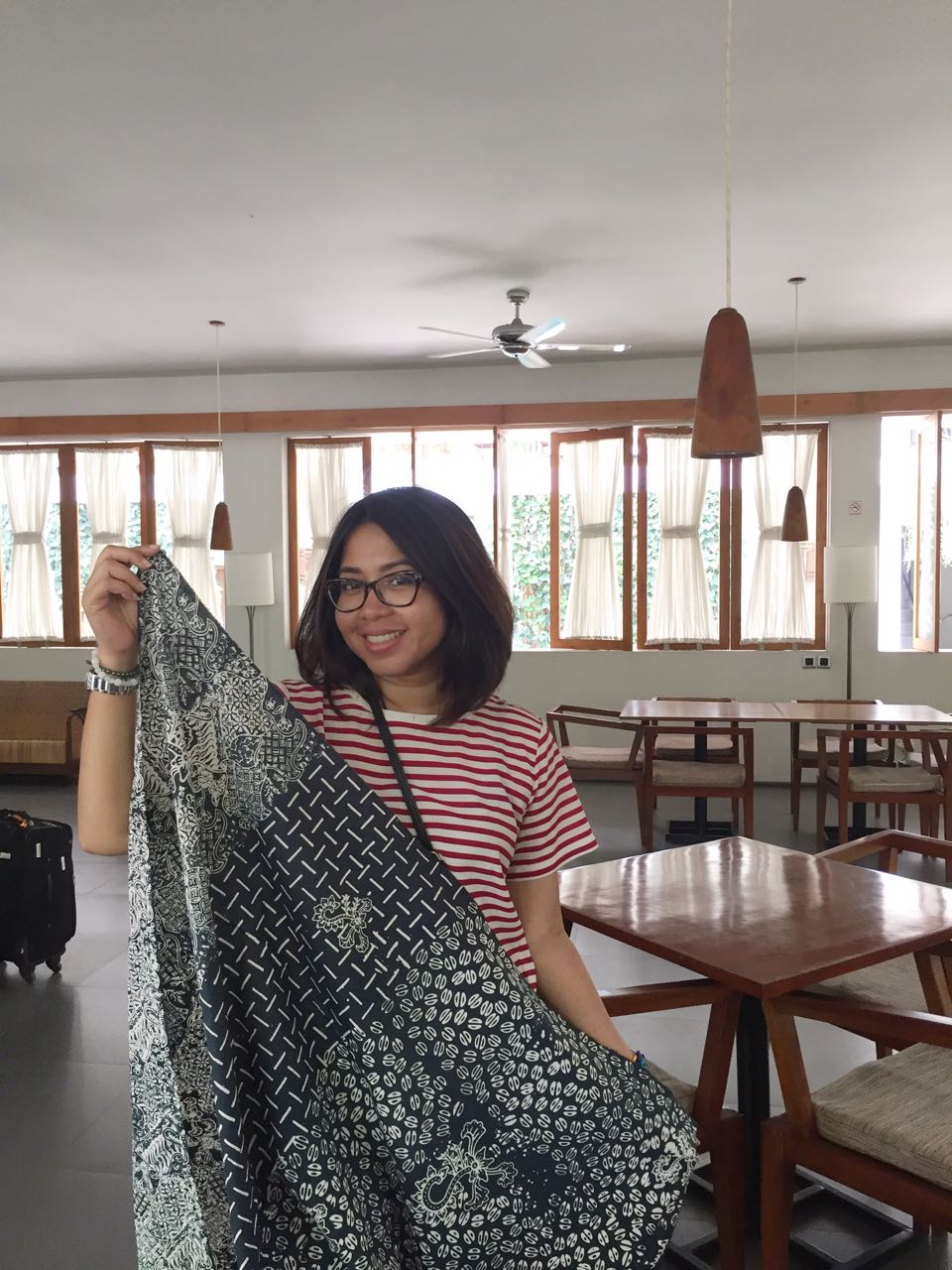
Additionally, Banyuwangi is known for its traditional handicrafts, such as Batik and Songket fabrics, made using ancient techniques and natural dyes.
There is a village in Banyuwangi called Banjar sweet village that offers Batik experience for less than IDR 250K ($16.60).

The Fascinating History of Banyuwangi
Banyuwangi has a rich and fascinating history that dates back to the ancient Hindu-Buddhist kingdom of Majapahit. Many historical sites and landmarks can be found throughout the region, such as the ruins of the Blambangan Kingdom, the Gedong Arca Museum, and the Chinese temple of Kim Tek Ie.
Moreover, Banyuwangi was also an important hub of the colonial era, as it served as a gateway to Bali and other eastern islands during the Dutch and Portuguese occupation.

Aside from that, Banyuwangi also played a significant role in the Indonesian independence movement. In 1948, the city was the site of the Battle of Banyuwangi, a fierce confrontation between the Dutch colonial army and the Indonesian nationalist forces. Today, the city is home to several monuments and museums that commemorate the struggle for independence and the sacrifices made by the local heroes.
Where to Stay in Banyuwangi
Banyuwangi offers a wide range of accommodation options that cater to different needs and budgets. If you are looking for unique stay you can check Didu's homestay.
For budget travelers, there are several guesthouses and homestays that offer clean and comfortable rooms at an affordable prices.
Some of the most popular budget accommodations are the Agus Hidden Homestay, Ijen Backpacker Hostel, and Room Hostel
For those who prefer luxury and comfort, Banyuwangi also has several high-end hotels and resorts that offer world-class amenities and services.
Among the most popular luxury accommodations are the Kunang Kunang Resort, the Aston Banyuwangi Hotel and Conference Center, and the Jiwa Jawa Resort Ijen.
How to Get to Banyuwangi
Banyuwangi is easily accessible by various means of transportation. The city has its own airport, the Banyuwangi Airport, which serves several domestic flights from Jakarta, Surabaya, and Bali. Alternatively, travelers can also take a train from Surabaya or Yogyakarta to the Banyuwangi Baru Station, which is located in the city center.
For those who prefer to travel by car or bus, Banyuwangi can be reached by road from major cities such as Surabaya, Yogyakarta, and Bali. The city is also a popular stopover for travelers who are heading to Bali or other eastern islands.
When to Visit Banyuwangi
The best time to visit Banyuwangi is during the dry season, which lasts from April to October. During this time, the weather is sunny and dry, and the temperatures are pleasant, making it ideal for outdoor activities and sightseeing.
However, visitors should keep in mind that the dry season is also the peak tourist season, which means that the crowds and prices may be higher than usual.
If you prefer to avoid the crowds and enjoy a more peaceful travel experience, you can visit Banyuwangi during the rainy season, which lasts from November to March. Although the weather can be unpredictable and rainy, the natural wonders of Banyuwangi are still as beautiful as ever, and the prices are generally lower than during the peak season.
Tips for travelers
- Learn some basic Indonesian phrases. The locals appreciate it when visitors make an effort to communicate in their language.
- Respect local customs and traditions. For example, dress modestly when visiting religious sites.
- Bring comfortable shoes and clothes. Banyuwangi offers many opportunities for outdoor activities and sightseeing, so be prepared to do a lot of walking and hiking.
- Be careful when hiking or trekking. Some trails can be steep and slippery, so make sure to wear appropriate footwear and bring enough water and snacks.
- Don't forget to try the local cuisine! Banyuwangi offers many delicious dishes that are unique to the region.
Banyuwangi is a hidden gem of Indonesia that offers a unique and unforgettable travel experience for adventurous travelers. With its natural wonders, unique cultures, fascinating history, comfortable accommodations, easy accessibility, welcoming people, and helpful tips, Banyuwangi is a destination that should not be missed.
So pack your bags, book your ticket, and get ready to discover the hidden treasure of Java Island!
We'll cover more Banyuwangi destinations next. Stay tuned!