

When people think of Bali, they often picture white sand beaches, vibrant nightlife, and luxurious resorts. While Bali certainly offers all of this, it has become increasingly commercialized and crowded over the years.
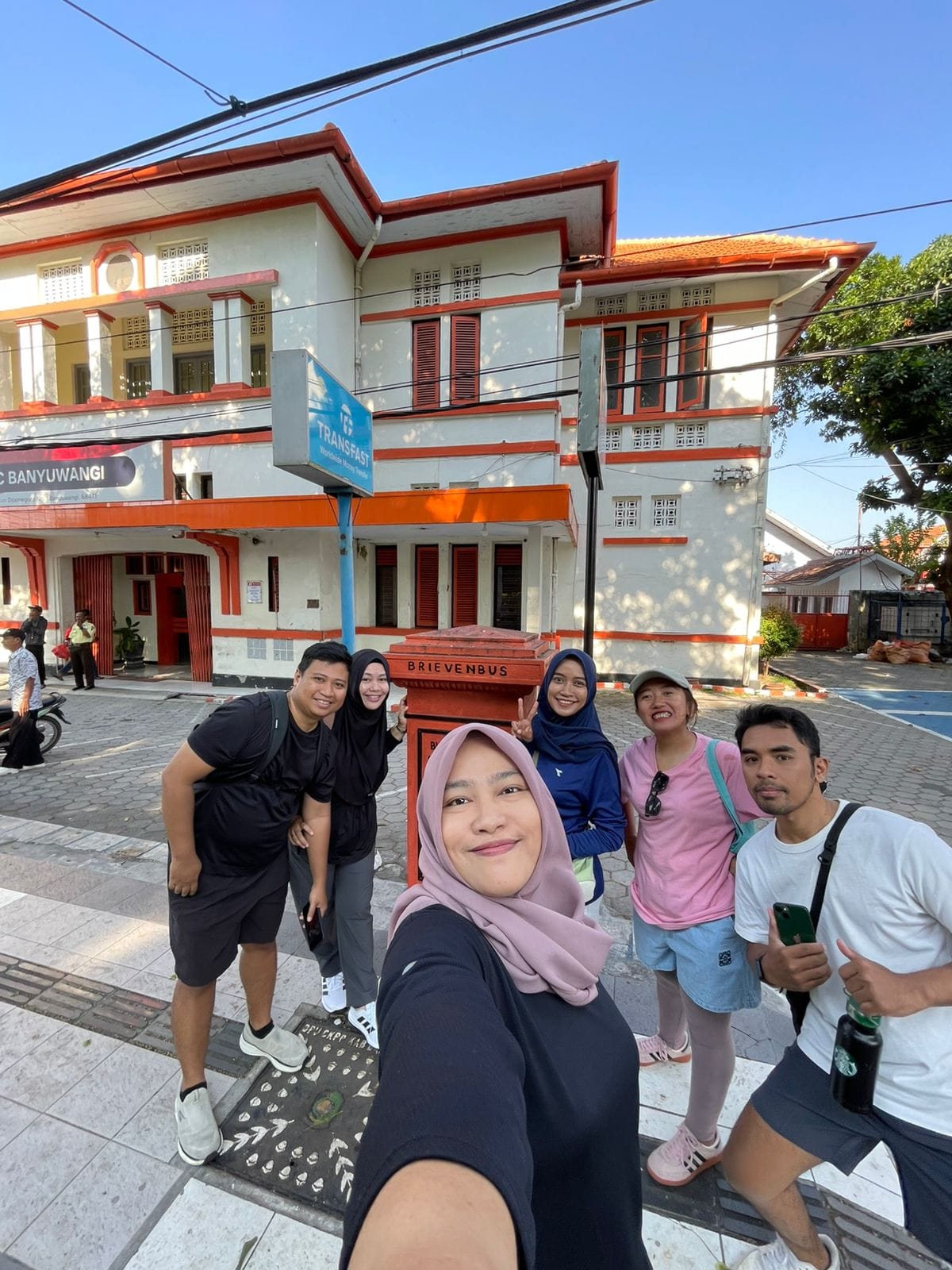
For those seeking a more off-the-beaten-path experience with an abundance of natural beauty and cultural encounters, Banyuwangi awaits. Situated on the easternmost tip of Java, this emerging destination, quickly becoming known as the "Alternative Bali," is worth a look. And the best part? It's a mere four-hour drive from Bali.
In this article, we'll explore the top 5 reasons why you should choose Banyuwangi over Bali for your next trip.
Natural Wonders

Banyuwangi is a treasure trove of natural wonders. The mesmerizing Ijen Crater, known for its ethereal blue fire and turquoise lake, the verdant expanse of Baluran National Park with its wild buffaloes and deer, and the panoramic vistas from atop Mount Raung are only a few examples. The sunrise hike to Mount Raung, one of East Java's highest peaks, is particularly recommended for the adventurous at heart.


For the ultimate adventure, take a sunrise hike to the top of Mount Raung, one of the highest peaks in East Java, for panoramic views of the surrounding mountains and coastline.
Rich Culture
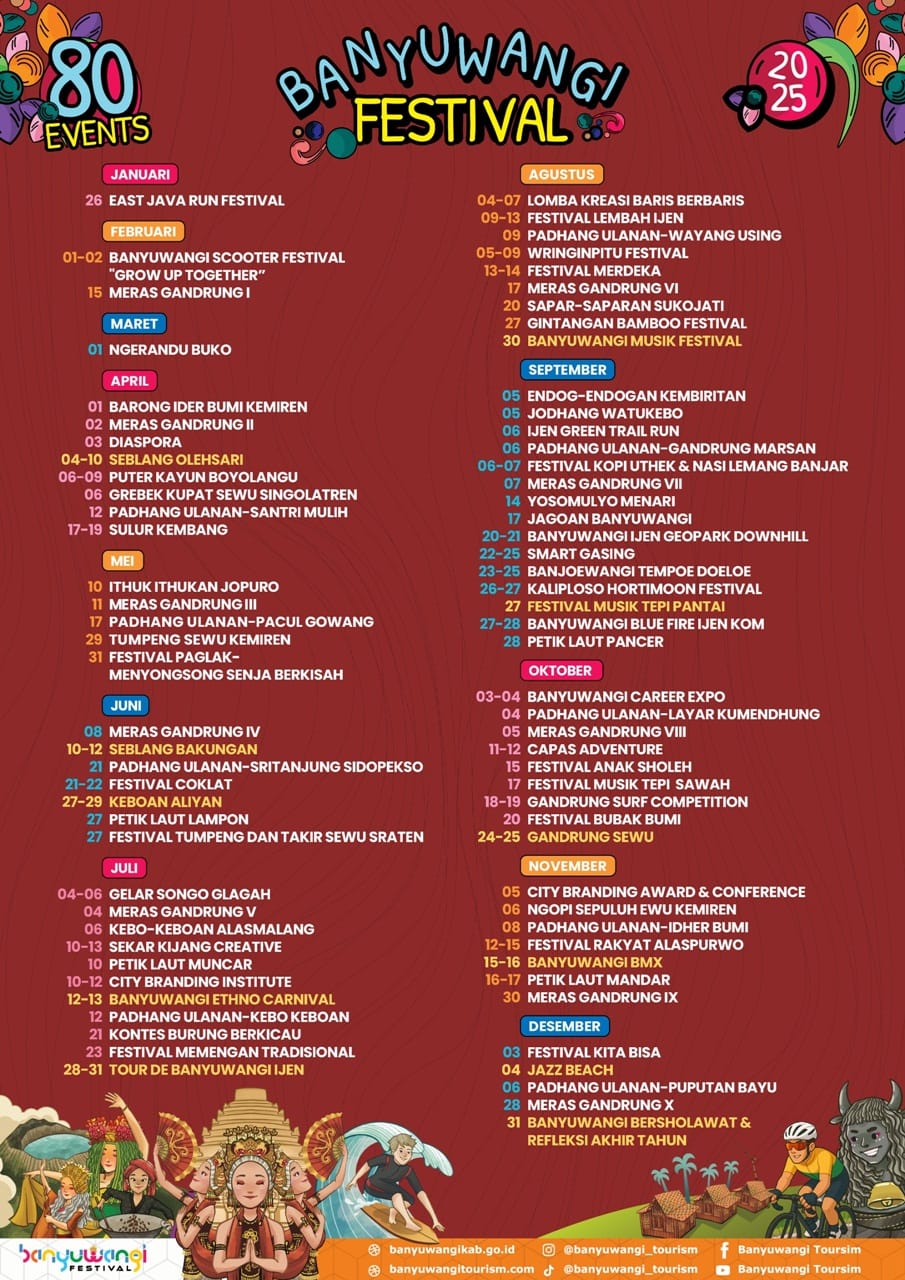
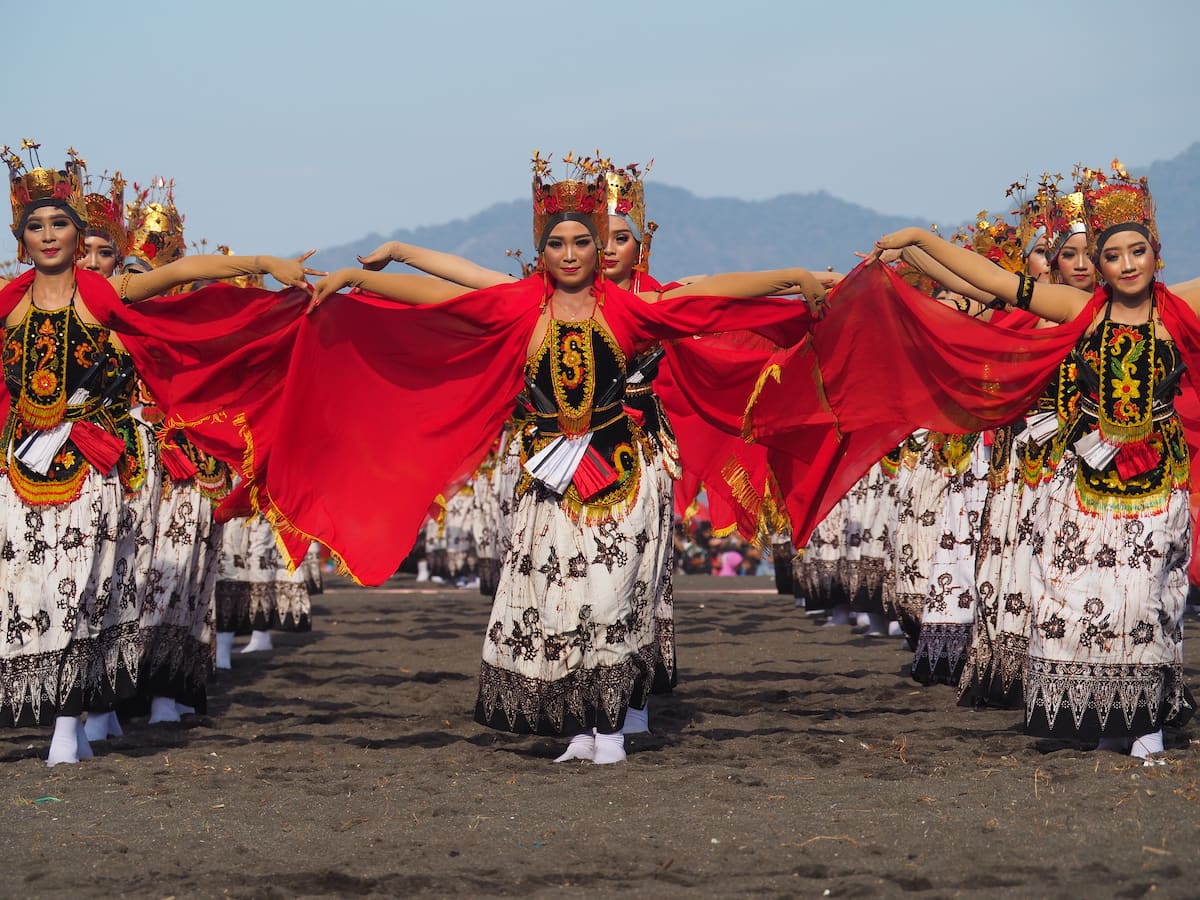
A fusion of Javanese, Balinese, and Madurese cultures, Banyuwangi offers a unique blend of traditions and customs. From the Osing tribe's traditional dances to the spiritual solace in Hindu and Buddhist temples such as Pura Luhur Giri Salaka and Pura Taman Sari, cultural enthusiasts will be engaged. The annual Gandrung Sewu festival is also a must-see, showcasing the region's vibrant folklore through parades and performances.

The annual Gandrung Sewu festival, held in the town of Banyuwangi, is a vibrant celebration of local folklore and heritage, featuring colorful parades and traditional performances.
Culinary Delights
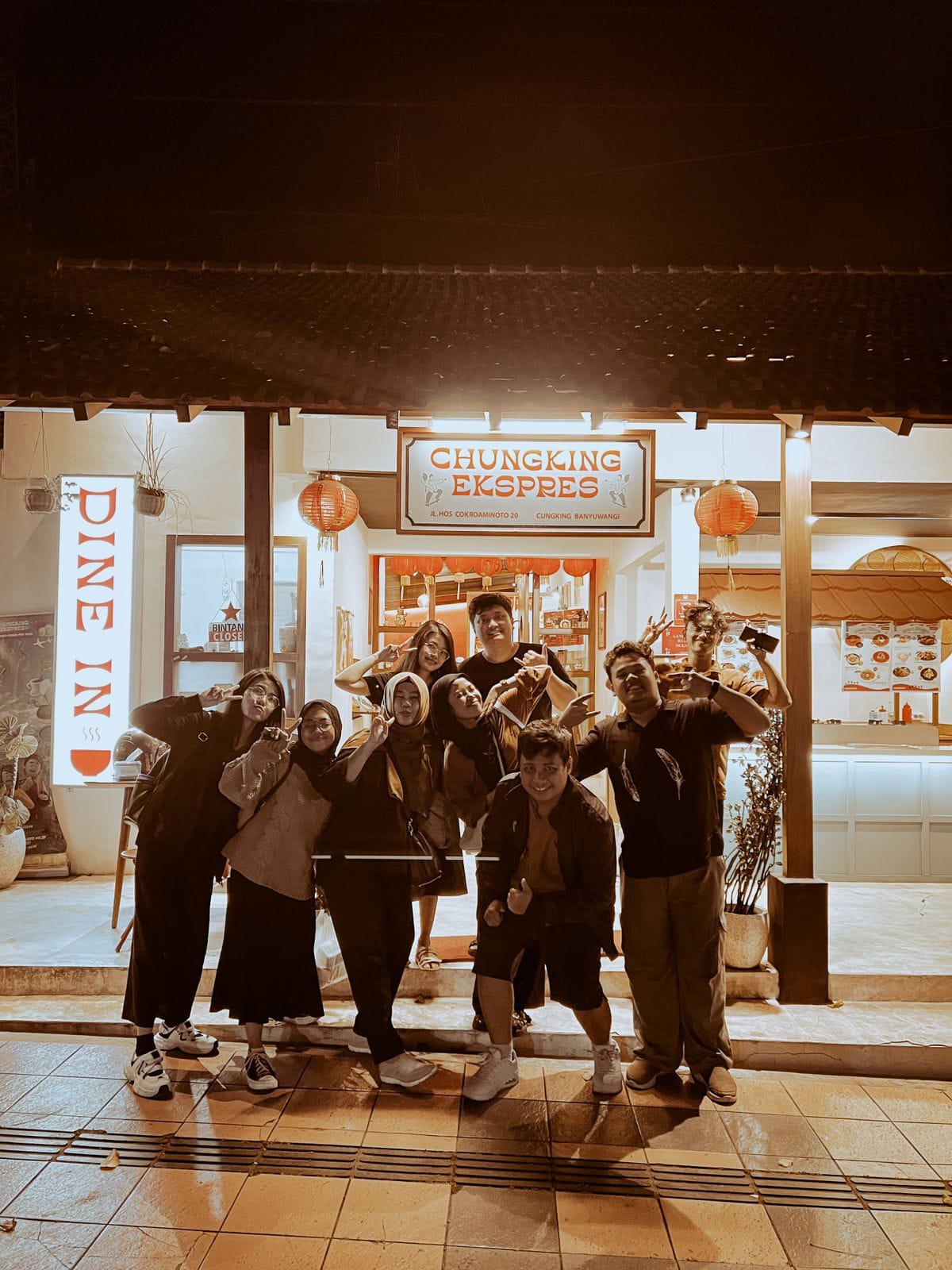
Foodies will be delighted with Banyuwangi's diverse culinary scene, which offers a mix of Javanese, Balinese, and Madurese cuisine.
Savor the fragrant nasi tumpeng and sego lemeng, a Javanese rice dish that is typically served on special occasions such as weddings and celebration events. It is a cone-shaped rice dish, surrounded by various side dishes such as fried chicken, tempeh, tofu, and vegetables.

Another local delicacy is Sego Lemeng, a Javanese rice dish that is cooked in bamboo and served with side dishes such as chicken, fried tempeh and anchovy, and omelet chicken egg.
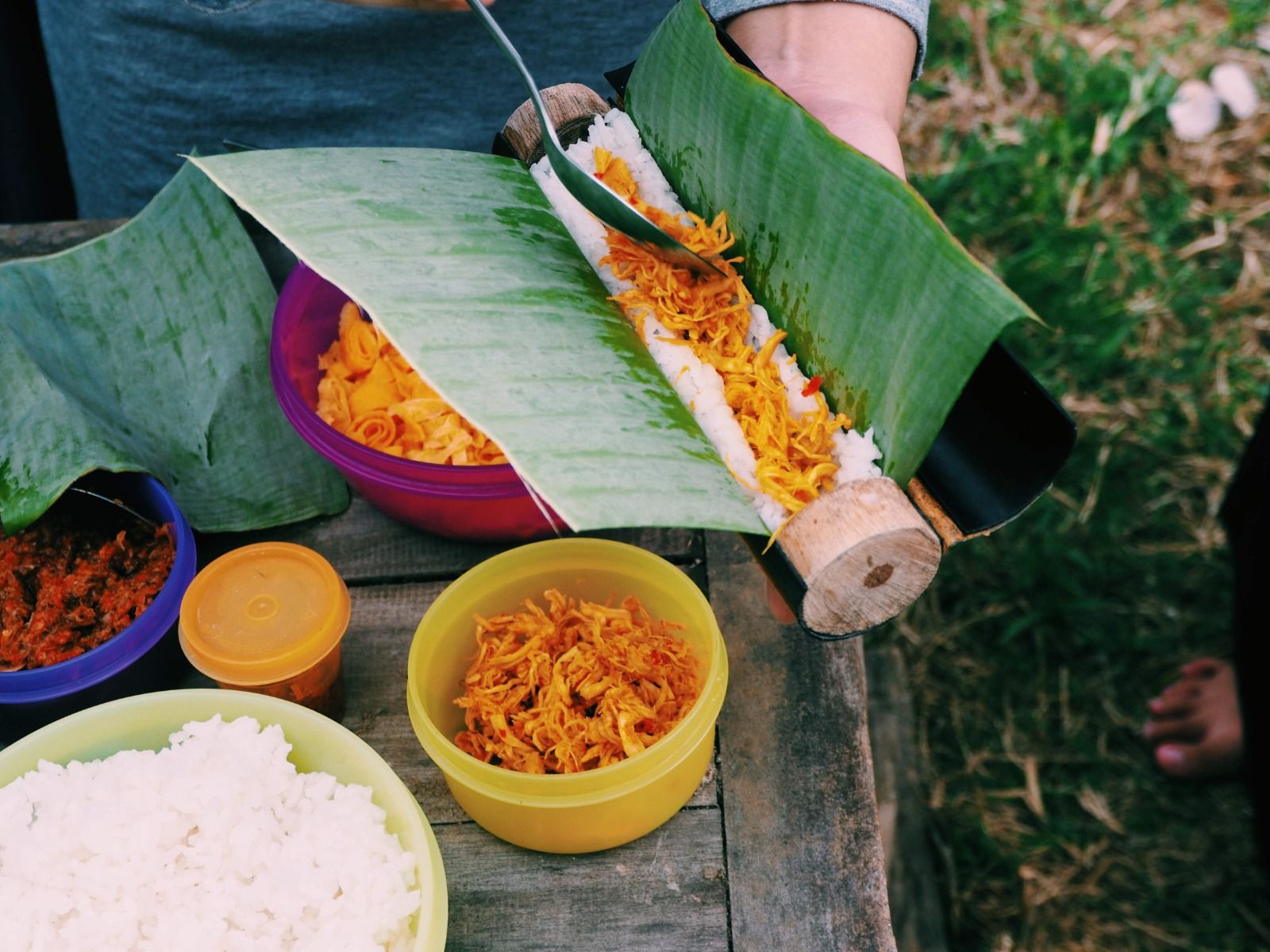
Seafood lovers will be thrilled with the fresh catches from the nearby coastal villages, which are often grilled or fried and served with a spicy sambal sauce. Other local dishes to try include Sate Madura, skewered meat marinated in a peanut sauce, and Pecel, a mixed vegetable salad served with peanut sauce.

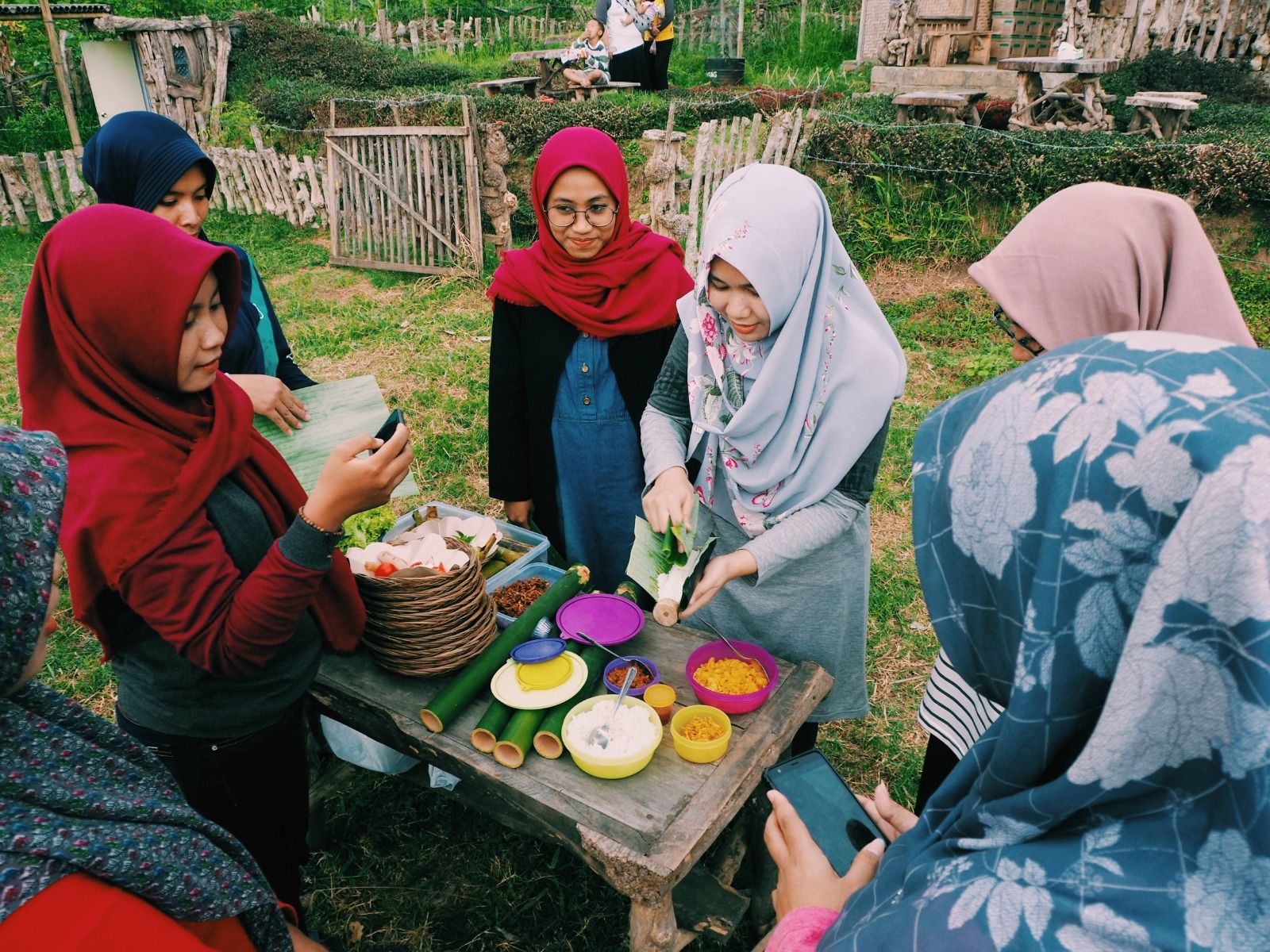
For a unique culinary experience, visitors can also join a cooking class to learn how to make traditional Javanese dishes using local ingredients. The cooking classes are led by local chefs who are passionate about sharing their knowledge and love of the local cuisine.
Beaches Galore

Banyuwangi boasts a long stretch of pristine beaches along its southern coast, including the famous Pulau Merah Beach, which features a unique red sand beach and crystal-clear waters.
Other popular spots include Teluk Hijau Beach, with its emerald green waters and white sand, and Plengkung Beach, a surfer's paradise with world-class waves.
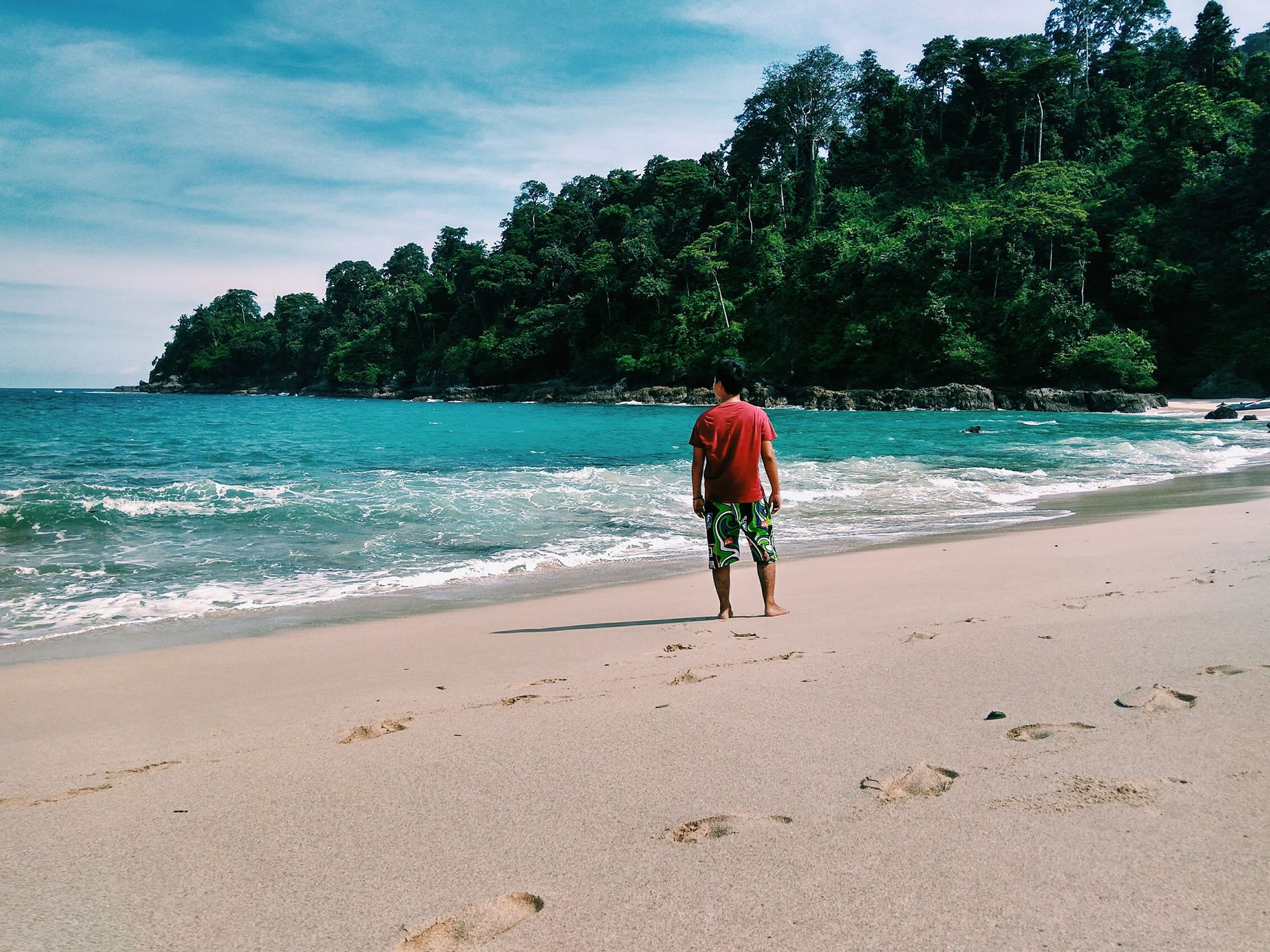
For a more secluded experience, head to the tranquil Watu Dodol Beach, where you can relax in a hammock under the shade of coconut trees.


Authentic Local Experiences
Banyuwangi offers a more authentic experience than Bali, with fewer tourists and a more laid-back vibe. Here, you can truly immerse yourself in the local way of life and experience the genuine warmth and hospitality of the locals. Whether you're staying in a homestay or joining a traditional ceremony, you'll feel like you're part of the community in Banyuwangi.
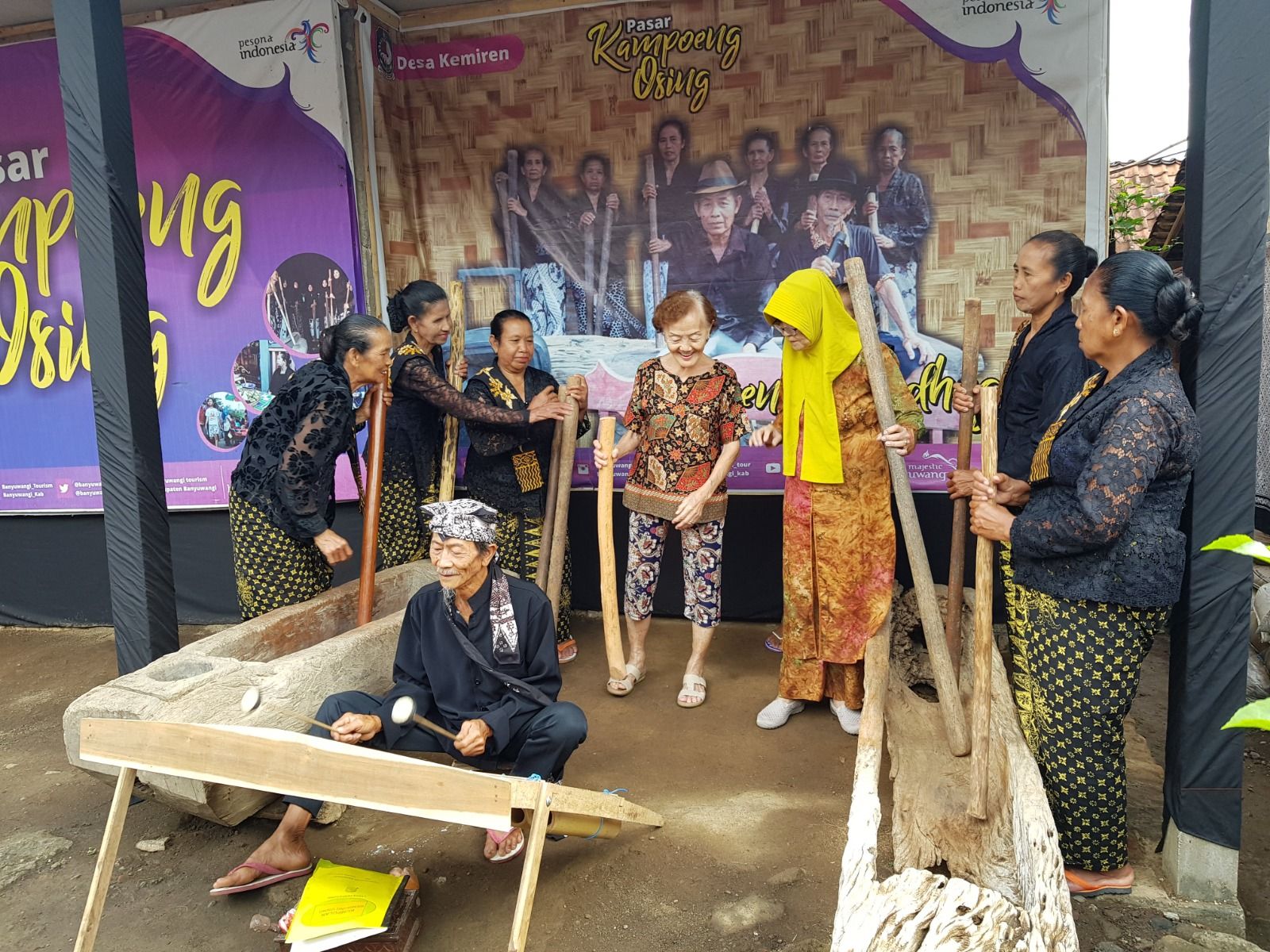
Desa Kemiren in Banyuwangi is also a great example of authentic local experiences that are available in the area. Visitors can witness the traditional Javanese culture and way of life, including the unique joglo houses and handicrafts made by the locals.
Additionally, travelers can experience the local cuisine and attend traditional festivals, such as Tumpeng Sewu. It's a traditional Javanese dish often served on special occasions such as weddings, birthdays, and celebrations.
Tumpeng Sewu is a unique variation of the traditional tumpeng dish, featuring a hundred different side dishes, including meats, vegetables, and spices. It's a communal dish meant to be shared with family and friends, and it represents the rich culture and tradition of Java Island.
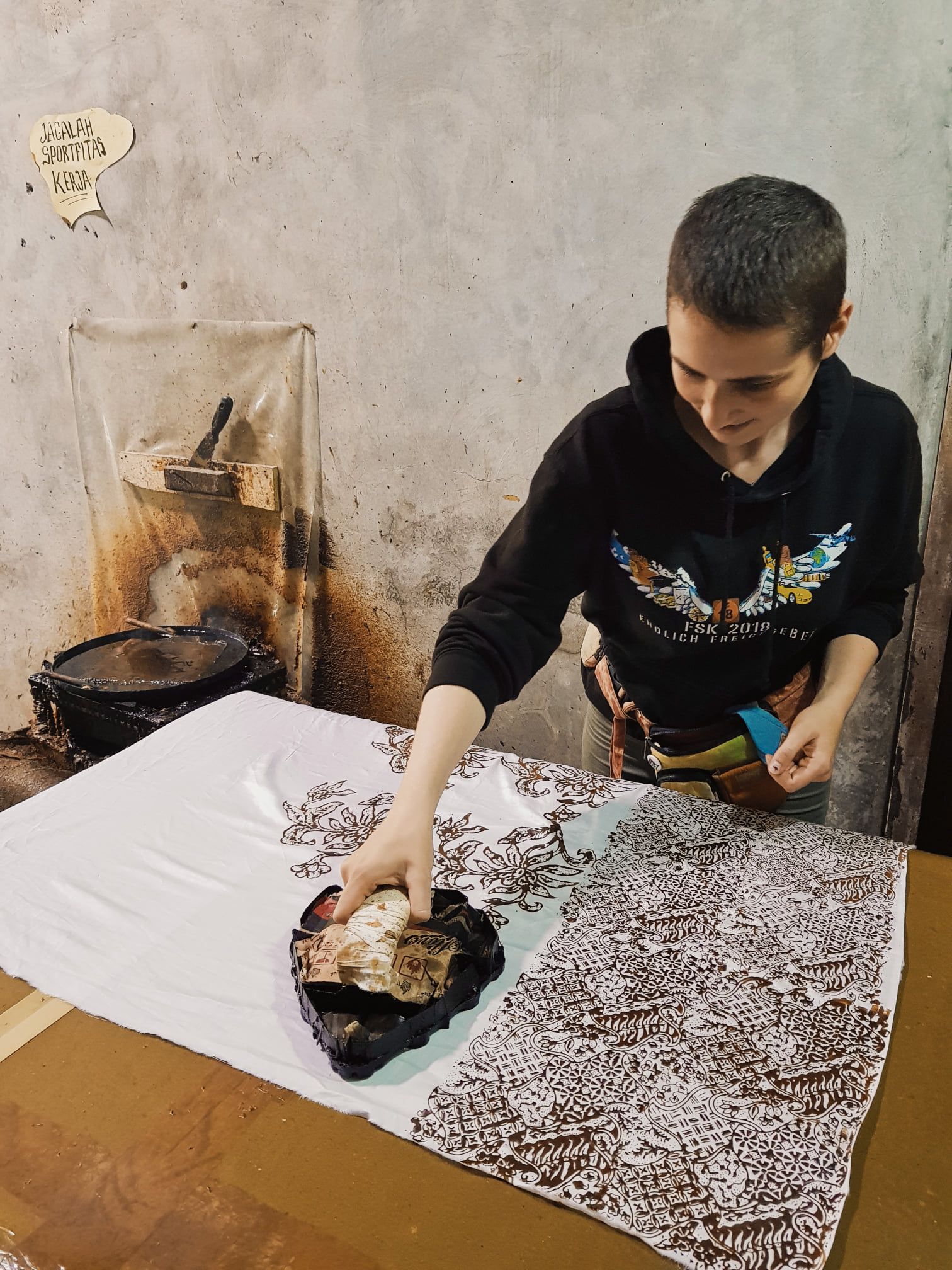
Banjar Sweet Village adds another layer of cultural depth to Banyuwangi. Visitors to Banyuwangi can truly have a unique and authentic experience that is not available in other tourist destinations. Here you can make batiks, learn to play traditional music, and see how palm sugar is made.
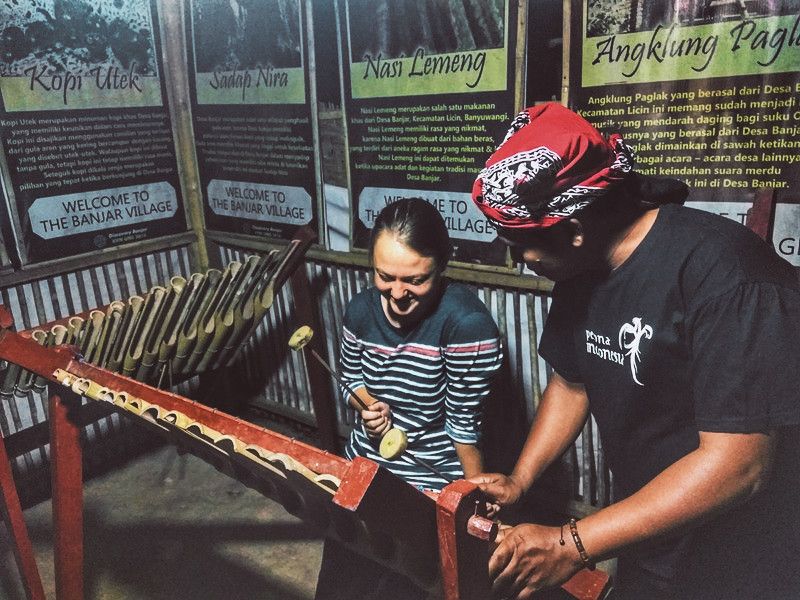
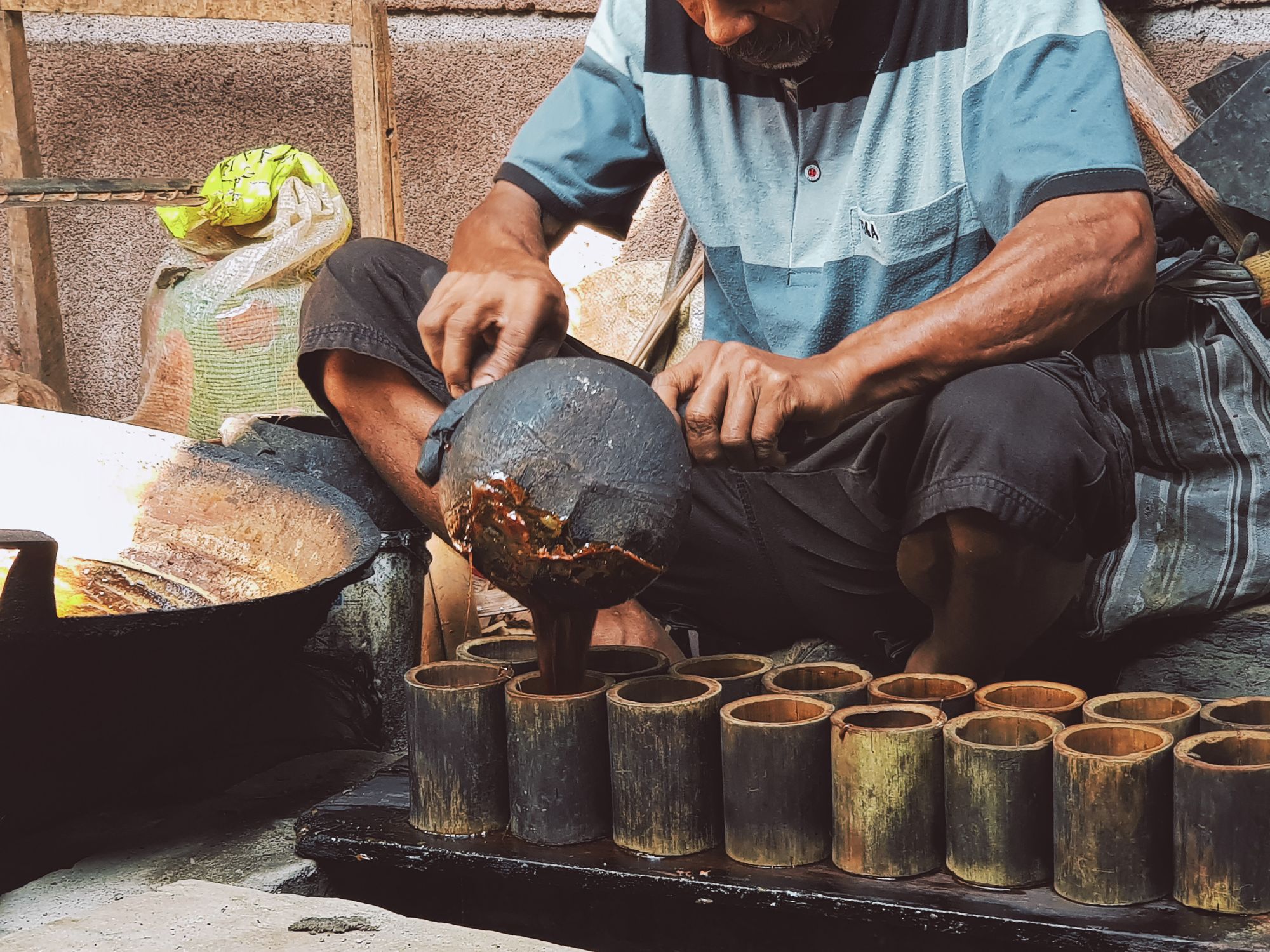
Along with other local experiences, such as visiting coffee plantations in Kalibendo and taking bamboo raft rides in Alas Purwo National Park.
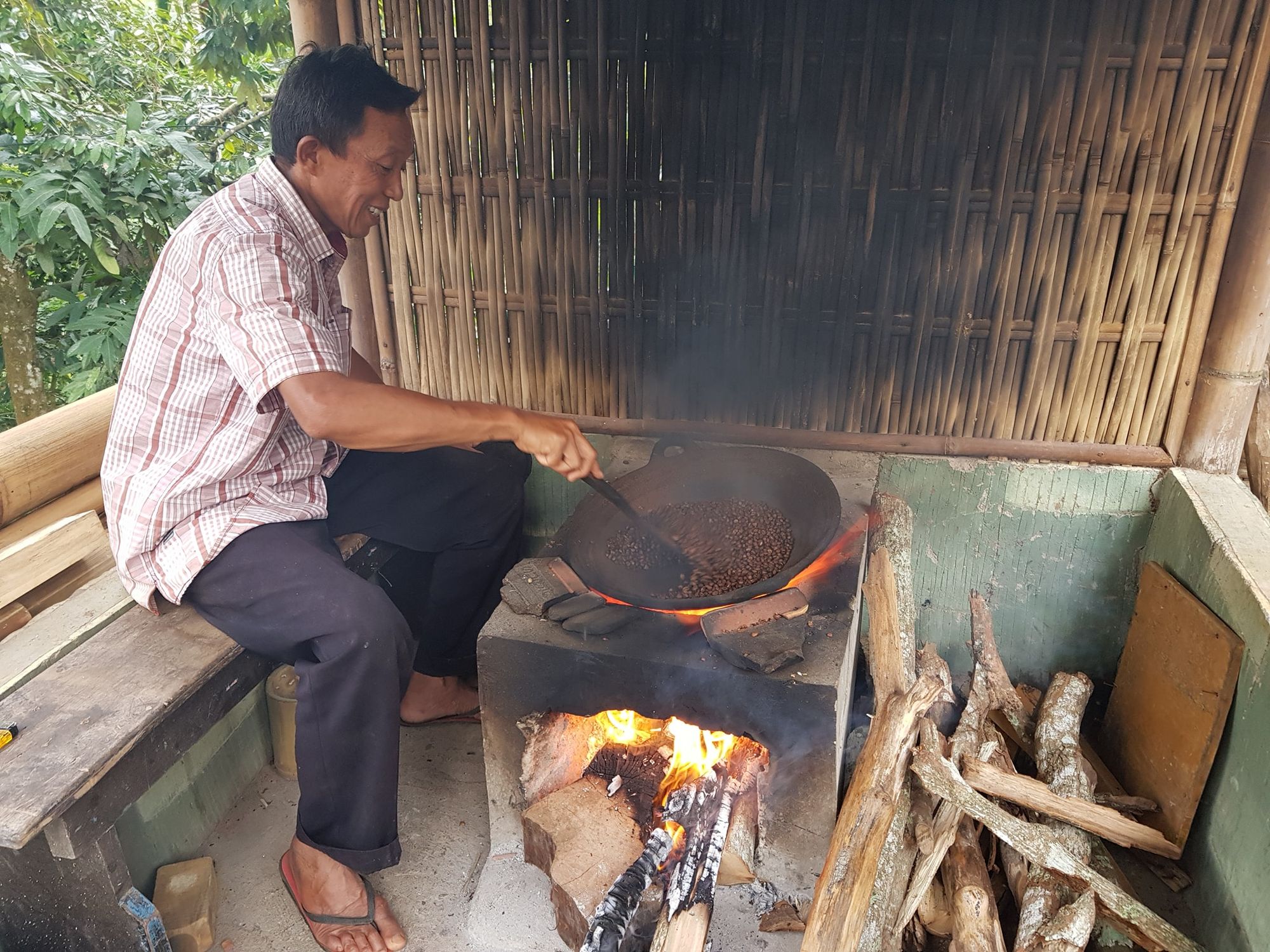
In conclusion, Banyuwangi offers a perfect alternative to Bali for those looking for a tropical paradise with a unique cultural experience. From natural wonders and culinary delights to pristine beaches and authentic local experiences, Banyuwangi has something for everyone, including the hidden gem of Desa Kemiren and Banjar Sweet Village. Don't miss out on this cultural treasure during your visit to Banyuwangi.
Affordability
Compared to Bali, Banyuwangi is a more affordable destination, with lower prices for accommodation, food, and activities. This makes it a great option for budget travelers who want to experience the beauty and culture of Indonesia without breaking the bank.
FAQs
Q1. What is the best time to visit Banyuwangi?
The best time to visit Banyuwangi is during the dry season from April to September, when the weather is pleasant and the skies are clear.
Q2. How do I get to Banyuwangi?
Banyuwangi can be reached by air, land, and sea. The nearest airport is Banyuwangi International Airport, which has direct flights from Jakarta and Bali. You can also take a train or bus from major cities in Java Island, or a ferry from Bali.
Q3. Is it safe to travel to Banyuwangi?
Banyuwangi is a safe destination for tourists. However, as with any destination, it's important to take precautions such as avoiding unlit areas at night and keeping your valuables safe.
Q4. What should I pack for a trip to Banyuwangi?
It is recommended to pack lightweight and breathable clothing, as well as comfortable shoes for hiking and walking. Don't forget to bring sunscreen, insect repellent, and a hat to protect yourself from the sun.
Banyuwangi may not be as well-known as Bali, but it's a hidden gem that's well worth exploring. With its stunning natural beauty, rich culture, and adventure activities, Banyuwangi has something for everyone. So, the next time you're looking for an alternative to Bali, why not give Banyuwangi a try? We promise you won't regret it!